Seeking Resolution: Ways Home Paternity Tests Transform Lives
At-home paternity tests provide an essential avenue for individuals seeking clarity about their biological connections. They have the power to resolve long-held uncertainties, initiating challenging discussions within families. Even as the findings can provoke a whirlwind of emotions, they simultaneously possess the ability to reshape personal narratives. While individuals work through these revelations, the matter endures: how will these discoveries affect their bonds and sense of self? The road to comprehension starts from the outcomes.
What You Should Know About Home Paternity Tests
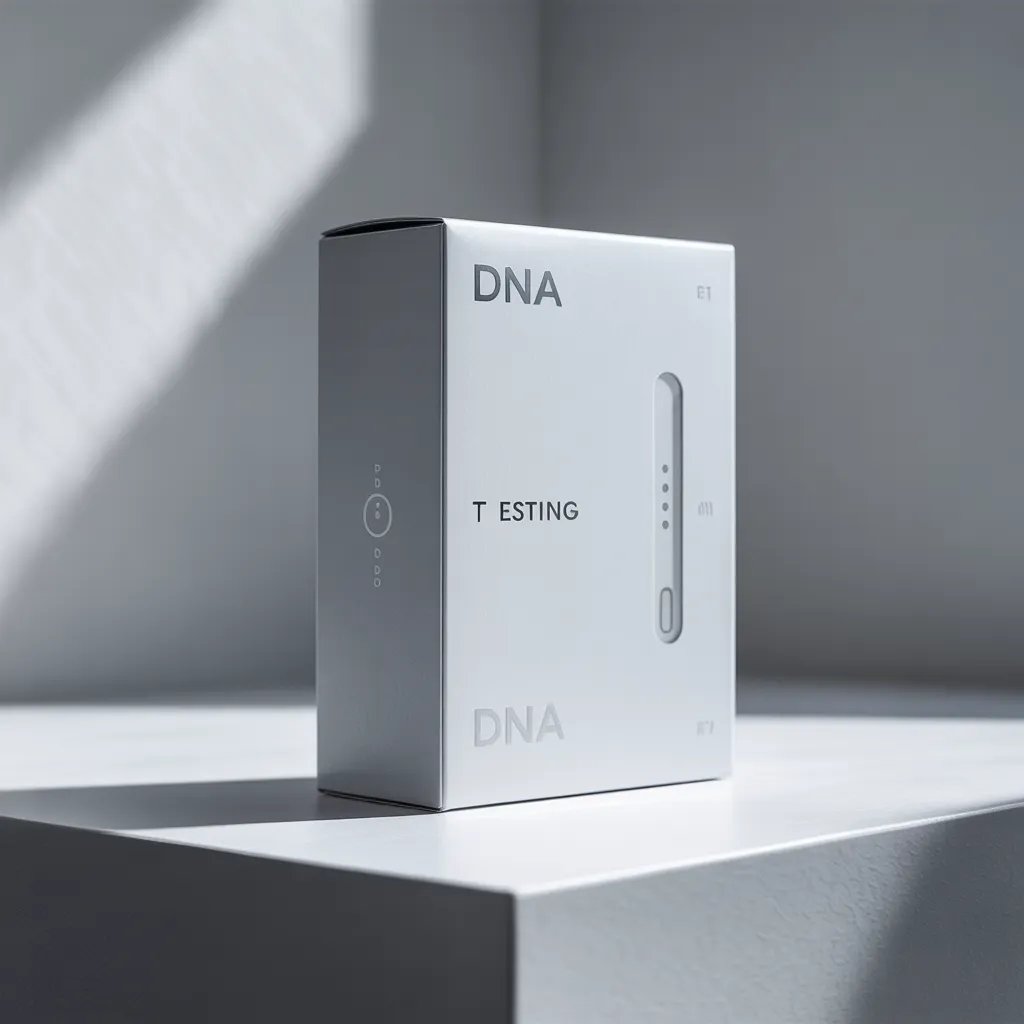
What aspects should individuals keep in mind when looking into home paternity tests? To begin, individuals should evaluate the trustworthiness of the testing provider. Reputable providers often offer accredited labs and clear methodologies. Next, the accuracy of results is paramount; several tests boast over 99% accuracy, though individuals must validate these claims via reviews or third-party evaluations. Cost is another critical consideration; while home tests can be more affordable than lab tests, prices can vary notably. Additionally, users should verify that the test kit includes thorough instructions for sample collection to minimize errors. Privacy is also essential; individuals must understand how their genetic information will be stored and used. Lastly, reflect on the emotional impact of the findings, as they may reveal significant personal truths. Understanding these factors can help individuals make informed decisions about home paternity tests and their potential impact on family dynamics.
How At-Home Tests Deliver Convenience and Privacy
At-home paternity tests provide a private testing process, permitting users to copyright confidentiality throughout the procedure. The straightforward sample collection process adds to the overall convenience, allowing individuals to collect required samples within the privacy of their own homes. This pairing of convenience and discretion makes at-home tests a popular solution for individuals looking for clarity.
Confidential Testing Experience
The attraction of confidential testing stems from its ability to give individuals with privacy and convenience while navigating sensitive situations. Residential paternity testing kits permit users to navigate complex emotional landscapes without the scrutiny often associated with traditional testing approaches. By creating a confidential environment, these tests enable individuals to obtain results at their own convenience, reducing anxiety stemming from potential criticism from family or friends. The packaging is usually unmarked, ensuring confidentiality during collection and delivery. Furthermore, the process can be carried out in the convenience of a personal setting, removing the need for awkward encounters in medical facilities. This private approach not only respects personal boundaries but also fosters a sense of empowerment over the testing journey, making it a valuable option for a wide range of people.
Easy Sample Collection Process
Gathering samples for paternity testing has never been more straightforward, thanks to user-friendly kits designed for home use. These kits commonly feature straightforward swabs or collection tubes that need minimal preparation, allowing users to gather DNA samples conveniently and privately. Each kit includes comprehensive directions, ensuring that individuals can complete the process without confusion or stress. Furthermore, the collection method is non-invasive, making it accessible for participants of all ages. This standard of ease enables individuals to manage their paternity testing process, eliminating the need for clinic visits and reducing associated costs. Essentially, home-based paternity tests not only ensure discretion but also cultivate a sense of self-determination in addressing personal family situations.
Exploring the Emotional Effect of Paternity Tests
The emotional impact of home paternity tests can be profound, often revealing family secrets that alter relationships. While some individuals may feel relief and solace through newfound clarity, others might confront feelings of betrayal or confusion. Understanding these emotional responses is vital for those traversing the challenges of family identity and dynamics.
Revealing Family Secrets
While many individuals approach paternity tests with curiosity, the emotional consequences frequently reach well beyond simple answers. The revelation of unexpected biological relationships can unravel long-held family narratives, resulting in emotions of betrayal or bewilderment. For certain individuals, uncovering a non-biological parentage can trigger profound grief over a severed bond. On the other hand, some may experience happiness in newly discovered connections, yet this happiness can be diminished by the disruption of established family structures. The gravity of these discoveries frequently weighs heavily on people, forcing them to navigate complex emotional landscapes. Once family secrets are revealed, relationships may change, and trust can be strained, underscoring the significant effect that paternity tests can exert on personal identity and family connections.
Finding Healing Through Clarity
Understanding often emerges as a significant catalyst for healing in the following of paternity testing. For many individuals, the revelation of hereditary bonds can evoke a intricate combination of emotions, including make a move relief, anger, and sadness. These tests provide definitive answers that can dissolve prolonged ambiguity, permitting families to acknowledge their circumstances. As individuals absorb the results, they commonly experience the opportunity to confront deeply rooted conflicts. This fresh understanding can encourage open communication, reviving relationships strained by hidden truths. Ultimately, the psychological effect of paternity tests reaches further than mere genetic connections, providing a pathway toward acceptance and reconciliation. Through conversation and compassion, individuals can convert their circumstances into chances for emotional development and renewal.
Inspiring Experiences: Authentic Real-Life Accounts
In what ways do paternity tests transform lives and relationships? For numerous people, the outcomes can deliver deep clarity and transformation. One individual, formerly troubled by doubt, learned through a home paternity test that he was not the natural father of a child he had nurtured for years. This discovery, though difficult, eventually released him from the emotional burden of uncertainty, enabling him to reconstruct his life with transparency.
In one such case, a female individual looking for resolution from a difficult past learned that her father was in fact her biological father, despite years of believing otherwise. This newfound knowledge triggered a path to healing, repairing broken family bonds and fostering deeper connections.
These examples showcase the powerful influence of home-based paternity tests, reshaping lives by offering vital truths, promoting personal growth, and assisting individuals in navigating complicated emotional terrain with fresh clarity and guidance.
How Home Paternity Tests Impact Family Dynamics
How do family dynamics shift when concealed truths surface through home paternity tests? The disclosure of biological ties has the power to reshape existing connections, commonly triggering emotional distress. If a test uncovers that an assumed father shares no biological connection with a child, it may generate divisions, stirring emotions of betrayal and bewilderment. In contrast, confirming a biological relationship can deepen bonds, nurturing a profound sense of belonging and mutual acceptance.
Families may experience a reevaluation of roles, as individuals navigate the implications of unexpected revelations. Siblings could wrestle with altered perceptions of their relationships, while mothers and fathers might face obstacles tied to honesty and communication. In some cases, the outcomes can spark recovery, providing closure for long-standing uncertainties. However, the psychological impact remains uncertain, as all families must confront the complexities of identity, loyalty, and love following surprising discoveries. Ultimately, home paternity tests serve as powerful tools that can fundamentally transform family relationships.
Exploring the Legal Standing of Home Tests
The emotional consequences of home paternity tests can cause individuals to look for resolution not only in their personal lives but also in their legal circumstances. Although these tests offer fast results and ease of use, their admissibility in legal contexts varies greatly. Typically, home-based tests do not fulfill the stringent criteria demanded by courts, as they are missing adequate chain-of-custody procedures and expert oversight. Legal authorities frequently mandate officially recognized paternity tests performed in certified facilities, ensuring that the results are admissible in legal proceedings. Additionally, the use of home tests can lead to potential disputes regarding their accuracy, as they might not be subject to the same strict quality assurance as professional lab tests. Individuals considering the implications of home paternity tests should understand that although these tests may provide initial guidance, they might be insufficient for addressing legal issues including custody, child support, or inheritance claims.
Next Steps After Getting Your Paternity Test Results?
Following the receipt of paternity test results, individuals commonly experience a mix of feelings and choices. Regardless of whether the results confirm or refute biological connections, it is crucial to work through these emotions before proceeding with next steps. First, seeking support from trusted friends or counselors can deliver emotional support and understanding.
After this step, individuals should think about their next course of action based on the outcome. If the test establishes paternity, talks concerning rights and legal duties may prove essential, especially concerning financial obligations or custody matters. Alternatively, if the test indicates no biological connection, it may trigger a reassessment of interpersonal dynamics and future engagement with the child.
Whatever the outcome may be, keeping open lines of communication with all parties involved is vital. To conclude, people might consider choosing to keep a record of their thoughts and decisions to aid in managing this significant transition. Each step taken can result in a better-informed and more empowered tomorrow.
Frequently Asked Questions
Do Home Paternity Tests Offer the Same Accuracy as Laboratory Tests?
Home-based paternity tests have the potential to be accurate, commonly producing outcomes similar to professional laboratory tests. That said, elements such as sample collection and testing processes can impact reliability, which makes laboratory tests typically more reliable for reaching definitive conclusions.
How Much Do Home Paternity Tests Typically Cost?
Home-based paternity tests generally cost anywhere from $100 to $300, depending on the brand and complexity. Pricing can fluctuate based on additional services, such as expedited results or extra testing kits for multiple samples.
Can Home Testing Kits Be Utilized for Legal Purposes?
Home paternity tests typically cannot be utilized for legal proceedings, as they lack the rigorous custody chain standards and professional supervision necessary for admissibility in court. Legally valid tests must be conducted in accredited laboratories to ensure validity.
What Is the Process for Taking a Home Paternity Test?
The steps involved in taking an at-home paternity test requires gathering DNA specimens, typically through cheek swabs, submitting them to a lab, and then waiting for results, which typically come back within a few days to several weeks.
What Is the Typical Wait Time for Test Results?
Generally, individuals should expect to get home paternity test results between five and seven business days. Certain providers may provide faster alternatives, possibly cutting the waiting period down to just 24 to 48 hours.