Understanding Family Secrets: How Paternity Tests at Home
Home-based paternity tests have grown into a common option for those who wish to resolve questions about their biological ties. Such tests provide a discreet way to confront doubts surrounding parenthood. However, the results can bring unexpected helpful information emotional challenges. As people confront hidden truths, they often face complex decisions about their relationships. Recognizing the consequences that these tests may carry is absolutely necessary. Whatever comes next has the potential to transform the core foundation of their family unit.
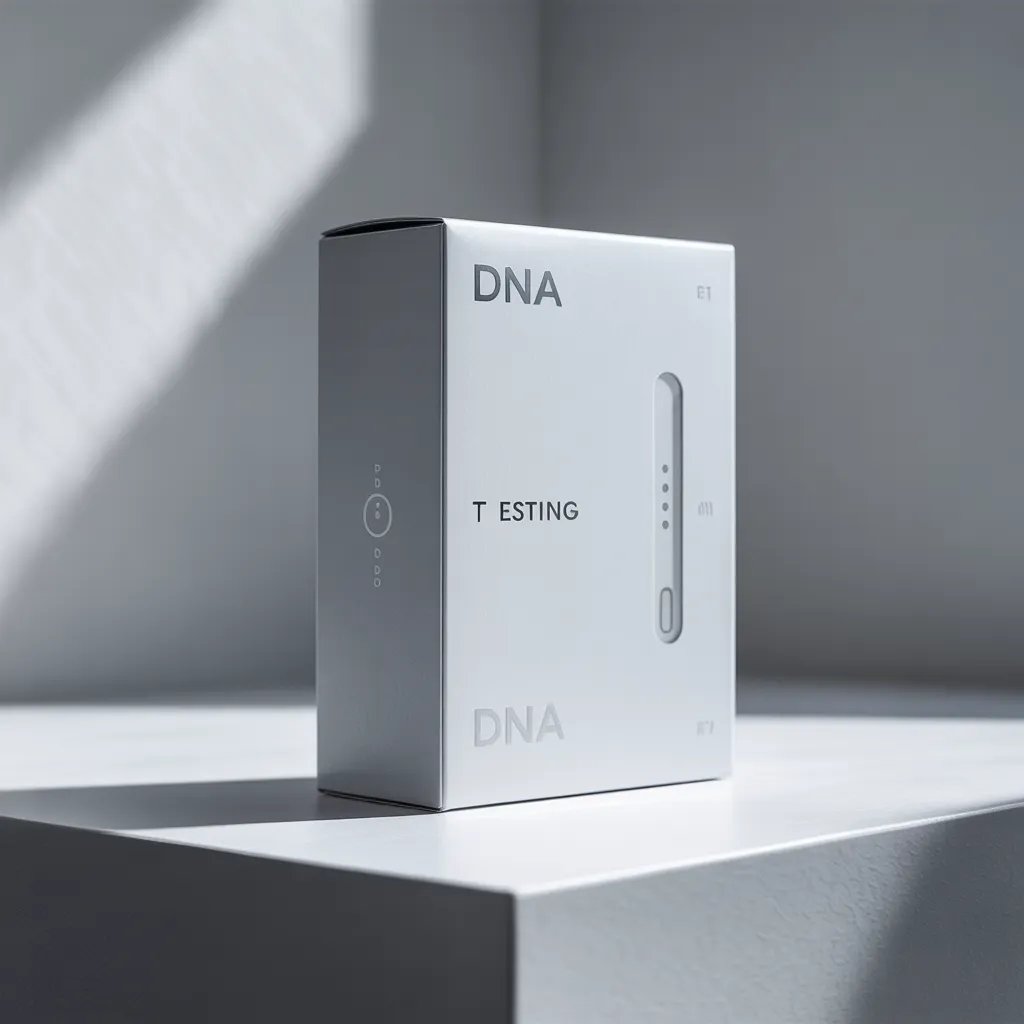
What Drives People to Choose Home Paternity Testing?
Why do individuals increasingly seek home paternity testing? Numerous individuals are motivated by the need for clarity about parental identity. The availability and cost-effectiveness of these tests have rendered them attractive choices for those dealing with uncertainties or family conflicts. Furthermore, the ability to perform these tests in the comfort of home, free from the oversight of medical institutions, provides a feeling of privacy and autonomy.
Emotional considerations also contribute significantly; uncertainty about a child's parentage can lead to anxiety and distress. Home paternity tests provide a straightforward solution to address these concerns, often empowering individuals to confront difficult family dynamics. Additionally, social stigma surrounding paternity issues has diminished, encouraging open discussions and prompting individuals to seek clarity. Overall, residential paternity testing has proven to be an essential solution for those looking for clarity in complicated family dynamics.
The Science Behind Home Paternity Tests
At-home paternity tests rely on advanced genetic testing methodologies to establish biological connections. Understanding the accuracy and reliability of these tests is essential, as various factors can influence results. Moreover, the sample collection process plays a significant role in guaranteeing accurate results.
Testing Methodologies Explained
Several analytical techniques underpin the science of home paternity tests, guaranteeing consistent and trustworthy results. Typically, these tests employ DNA sampling techniques, where buccal swabs obtain cheek cells from the child as well as the alleged father. This gentle method facilitates easy at-home collection. The samples are then analyzed using polymerase chain reaction techniques, duplicating targeted DNA segments to establish hereditary links. Other tests may incorporate short tandem repeat techniques, reviewing multiple genetic positions to determine probabilities of paternity. With advancements in genetic testing technology, home paternity tests have grown more accessible, empowering individuals to examine family ties eliminating the need for professional laboratory services.
Accuracy and Trustworthiness Factors
Although numerous factors affect the accuracy and reliability of home paternity tests, the standard of the sample collection procedure is critical. The precision of the results copyrights on securing clean and uncontaminated samples from all parties involved. Considerations like the variety of biological material employed—generally buccal swabs or saliva specimens—may influence the test's results. Furthermore, proper handling and preservation of samples prior to testing are essential; unsuitable conditions may result in sample degradation or contamination. Research laboratories apply cutting-edge DNA analysis procedures, yet outcomes are only as reliable as the quality of submitted samples. As a result, maintaining proper collection standards and following provided guidelines greatly influences testing accuracy, ultimately determining the validity of the paternity results.
Sample Acquisition Procedure
Obtaining samples for a paternity test is a critical step that directly influences the reliability of the results. Commonly, a home paternity test requires obtaining buccal swabs from the people being tested, usually the child and the alleged father. This technique is preferred due to its non-invasive characteristics. Individuals must ensure that the swabs are administered correctly, adhering to the instructions included with the testing kit, which usually requires pressing the swab inside the cheek for a short period of time. Careful handling is necessary; samples cannot be contaminated or exposed to foreign substances. Once gathered, the swabs are sealed in the supplied containers and dispatched to the laboratory for testing. Complying with these instructions improves the reliability of the test outcomes.
Emotional Reactions to Paternity Test Results
Upon receiving paternity testing results, individuals often grapple with numerous complex emotions, most notably when findings do not align with expectations. Feelings of shock and denial can emerge, complicating the initial reaction and affecting the dynamics within the family. Recognizing these emotional reactions is vital to navigating the consequences of the results and its effects on family and interpersonal bonds.
Expecting the Unexpected
How does one brace for the emotional turmoil that commonly arises from paternity test results? People navigating these experiences should be open to unexpected outcomes, as these results can produce a wide range of feelings. Anticipating reactions such as shock, anger, or relief can lessen the blow of these revelations. Establishing a supportive space—whether through reliable friends and relatives—where feelings can be freely expressed. Moreover, accepting that these results may alter fundamental ideas about identity and relationships can build emotional strength. Preparing oneself mentally and emotionally may not eliminate distress, but it can pave the way for a more constructive approach to handling the information. In the end, being conscious of possible emotional challenges is a crucial part of navigating this difficult path.
Managing Shock and Denial
Shock and rejection often serve as instant, natural responses to the findings of a paternity test. Individuals may initially struggle to accept the findings, grappling with feelings that range from disbelief to confusion. This emotional turmoil can manifest as a refusal to acknowledge the test results, causing people to doubt the reliability of the process or the intentions driving it. The disbelief can result in a momentary standstill, making it difficult to process the implications of the outcome. Throughout this stage, inner conversations may revolve around "What ifs" and "How is this possible?" Over time, individuals may begin to slowly address their emotions, but the initial shock can linger, complicating the journey toward acceptance and understanding.
Handling Family Interactions Following a Test
As individuals grapple with the emotional fallout of paternity test results, family bonds can become progressively strained. The revelation of unexpected biological ties can lead to emotions of betrayal, disorientation, and resentment. Relationships that once seemed stable may fracture under the weight of new truths, as family members process their emotions differently. Some may pursue honest conversation, while others withdraw into quietude, further complicating communication. Questions of trust commonly surface, with people doubting previous encounters and the genuineness of their bonds. The consequences can spread beyond the nuclear family, impacting broader relatives who may feel drawn to align themselves. Ultimately, maneuvering these turbulent waters requires empathy and patience as families work through their emotional responses and aim for understanding.
Moral Dilemmas Surrounding Paternity Testing
While paternity testing offers a means to establish biological relationships, it also raises considerable moral questions that can profoundly affect families. A primary issue involves the possibility of emotional turmoil, particularly if the test reveals unexpected results. Such a disclosure may destabilize family relationships, leading to a sense of mistrust or bewilderment within the family. Moreover, the choice to proceed with testing absent the agreement of everyone concerned poses moral dilemmas surrounding personal freedom and the right to privacy.
Furthermore, the widespread availability of home paternity tests can lead to misinterpretation or misuse of findings, exacerbating feelings of suspicion. There is also the possibility of people using these tests to exploit family dynamics for personal gain. These challenges highlight the need for thorough reflection and open communication before moving forward with the testing process. At the core of it all, navigating through these moral challenges requires careful attention to the emotional ramifications and an awareness of the complex network of family dynamics.
Finding the Perfect Home Paternity Test for Your Situation
Selecting the right home paternity test requires careful deliberation of numerous factors that can considerably impact the precision and dependability of results. Potential users should first assess the trustworthiness of the testing company, looking for accreditations and favorable user feedback. Next, the type of test offered is essential; some kits provide more extensive analyses than others. Moreover, consumers should confirm whether the test includes a DNA sampling kit along with detailed instructions to secure proper sample collection.
Pricing can also be a determining factor; however, selecting the lowest-priced option may affect quality. Furthermore, being aware of the turnaround time for results is crucial, most notably in time-critical circumstances. Lastly, people may want to examine the privacy policies of the testing company to ensure their personal data stays protected. By carefully evaluating these aspects, people can choose a home paternity test that suits their requirements and delivers dependable, precise results.
Interpreting Your Test Results
What is the best way for individuals to correctly understand their home paternity test results? Correctly interpreting these findings demands careful attention and familiarity with the testing procedure. Generally, findings are shown as a probability percentage that represents the chance of paternity. A probability of 99.9% or higher generally confirms a father-child relationship, while results below 99% suggest non-paternity.
It's essential to evaluate the testing company's credibility and the methodology used; findings may differ from one provider to another. Additionally, people should understand that home testing kits are not legally enforceable and may not meet the standards of court-admissible tests.
Interpreting results can also involve understanding genetic markers and their inheritance patterns. Speaking with a genetic counselor or qualified medical expert can bring clarity, particularly when unforeseen results surface. At its core, a complete understanding of the testing process and outcomes encourages more thoughtful decisions about family relationships.
Managing Emotions After Paternity Test Results
Reviewing paternity test results can trigger a array of emotions, from comfort to confusion or even anguish. People often find themselves navigating unexpected findings that can alter family structures. Coping strategies become essential in navigating these complex feelings.
Initially, turning to trusted friends or family members for guidance can offer a feeling of connection and understanding. Professional counseling may also offer a safe space to process emotions and develop coping mechanisms. Keeping a journal can act as a healing outlet, enabling individuals to express their thoughts and emotions.
Additionally, participating in wellness activities—such as physical activity, mindfulness, or hobbies—can serve to lessen stress and encourage emotional stability. People must remember to give themselves the necessary time to adjust, recognizing that processing such significant information is often a gradual journey. Ultimately, embracing open communication within the family can foster healing and clarity moving forward.
Frequently Asked Questions
Are At-Home Paternity Tests Considered Legally Valid in Court?
Home paternity tests are commonly not accepted as legal evidence in court due to problems with chain of custody and potential contamination. Legal courts generally mandate tests carried out by certified laboratories for legal purposes to ensure precise and dependable results.
How Accurate Are Home Paternity Tests Compared to Lab Tests?
Home paternity tests commonly deliver an accuracy rate of 95-99%, on par with laboratory tests. However, inconsistencies in sample collection and testing procedures can affect results, making lab tests generally more reliable and preferable for legally binding situations.
Do Home Paternity Tests Have the Ability to Detect Additional Familial Connections?
At-home paternity tests are mainly designed to determine biological parentage; though, some can indicate additional family connections, like connections between siblings or grandparents. Accuracy for these additional relationships varies, frequently necessitating additional testing for conclusive results.
What Can I Do if My Results Are Inconclusive?
Should results prove inconclusive, one ought to pursue a professional evaluation for thorough analysis. Consulting a geneticist or counselor can provide clarity and support in comprehending the significance of the ambiguous findings.
Do Age Restrictions Apply When Taking a Home Paternity Test?
Home paternity tests generally do not have age restrictions for those being tested. Nevertheless, it is recommended that those under the age of 18 obtain consent from a parent or legal guardian before undergoing testing, to ensure that ethical standards are upheld during the process.