Achieve Qualified Nursing Assistant Credentials With Expert CNA Training
Becoming a Certified Nursing Assistant (CNA) brings multiple advantages in the medical industry. Through expert training, aspirants cultivate fundamental skills and knowledge required for effective patient care. The mounting demand for CNAs delivers job assurance and viable career advancement. Comprehending the training process and certification requirements is necessary. What aspects should prospective CNAs reflect on as they commence on this path? Investigating this can shed light on the journey ahead.
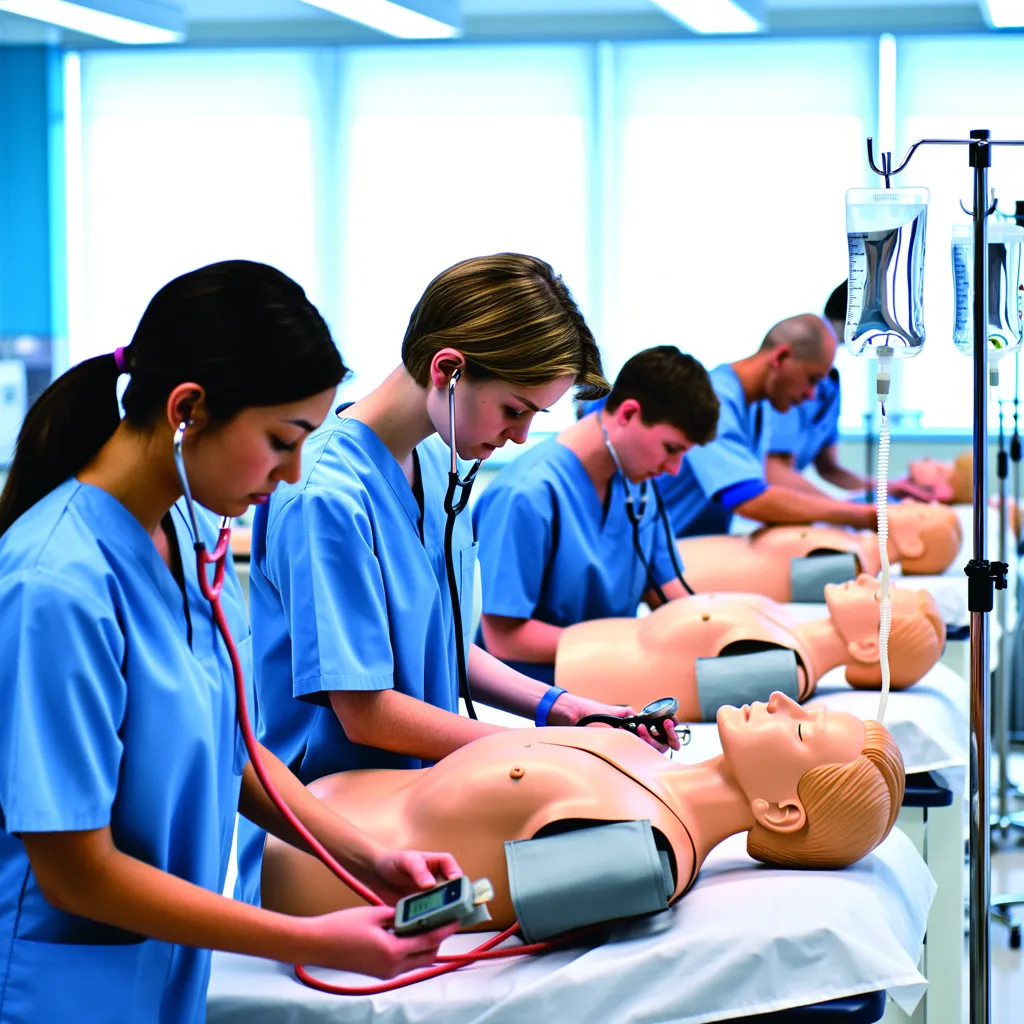
Main Factors for Working as a CNA
Obtaining a CNA certification offers considerable benefits that appeal to candidates seeking a meaningful vocation in healthcare. One vital benefit is the access for personal patient care, allowing CNAs to make a meaningful impact patients' lives. The call for CNAs remains strong, ensuring work security and plentiful job openings across various settings, including hospitals, nursing homes, and home health care.
Moreover, the preparation involved to qualify as a CNA is relatively brief, allowing people to commence in the labor market expeditiously. This accessibility makes the occupation an attractive option for those seeking to launch a career in healthcare without substantial education. CNAs also have the capability to advance in their careers in the medical industry, paving the way for supplementary education and certifications. In conclusion, the integration of job stability, personal gratification, and career advancement prospects makes qualifying as a CNA a striking option for many future healthcare workers.
Essential Abilities You'll Learn in CNA Training
CNA training furnishes individuals with an fundamental skill set required for rendering quality patient care. One of the core skills developed is strong communicative abilities, allowing CNAs to interact with compassion with patients and their families. Additionally, students master vital observation methods, enabling them to assess vital signs and relay information to nursing staff precisely.
Personal care competencies, such as washing, attiring, and feeding patients, are core elements of the training, making certain that CNAs can support patients with routine tasks. Infection control practices also form a significant part of the curriculum, highlighting hygiene and safety standards vital to prevent the dissemination of illness.
Moreover, CNAs develop skills in basic medical procedures, including assisting with mobility and using medical equipment. Overall, the training encompasses a comprehensive approach to caring for patients, preparing individuals to address the diverse needs of those they serve efficiently.
Learning About the CNA Training Process and Certification
The CNA educational experience encompasses numerous essential aspects, addressing an introduction to certification requirements, strategic techniques for exam success, and potential career advancement. Grasping these concepts is necessary for future healthcare aides as they advance toward their professional credentials. Every aspect serves a vital function in achieving a successful move into healthcare employment.
CNA Training Standards Overview
While budding healthcare professionals may feel overwhelmed by the certification process, understanding the necessary training for Certified Nursing Assistants (CNAs) is key. To become a CNA, individuals must complete a state-approved training program, which generally includes both classroom instruction and hands-on clinical experience. Most programs require at least 75 hours of training, though some states may set additional hours. Candidates are also required to pass a security clearance to ensure protection in healthcare facilities. After completion, they are eligible to take the certification exam. Moreover, some states may have distinct prerequisites, such as age requirements or high school diploma verification. Familiarity with these requirements can help facilitate the path to becoming a authorized nursing professional.
Methods to Help You Pass Your Certification Exam
Successfully completing a state-approved education course marks a substantial achievement for prospective CNAs, yet the process doesn't end there. Preparing for the licensing test demands a concentrated approach. Candidates should study the material covered during their training, highlighting key areas such as client support, security procedures, and infection control. Utilizing sample tests can help familiarize them with the exam format and question types. Additionally, creating study groups can foster group education, enabling candidates to explain doubts and strengthen knowledge. Time management is critical; setting a learning timetable ensures comprehensive examination of all topics. Finally, maintaining a positive mindset and practicing relaxation techniques can reduce exam-related anxiety, enhancing overall performance on test day.
Work Placement Opportunities Open
Completing CNA training provides a range of employment prospects, as many healthcare facilities actively seek certified nursing assistants to meet their staffing needs. Hospitals, nursing homes, and assisted living facilities are among the primary employers, often offering varied scheduling to accommodate various schedules. Additionally, CNAs may find opportunities in rehabilitation centers, home healthcare agencies, and outpatient clinics. With the growing demand for healthcare services, job security for CNAs remains strong. Many training programs also offer job placement assistance, connecting graduates with potential employers. Networking within the healthcare community and utilizing online job boards further improve employment prospects, making the shift from training to the workforce smoother for newly certified nursing assistants.
Primary Perks of CNA Credential
Obtaining CNA certification offers numerous advantages that improve both professional opportunities and personal growth. First and foremost, it provides individuals with essential skills and knowledge required to deliver excellent patient care. This education fosters confidence and competence in various healthcare settings, which can significantly enhance job performance.
Furthermore, certification frequently lead to greater job security, as numerous employers prefer or require certified candidates. This credential not merely expands the scope of potential employment but also enhances earning potential. Additionally, CNAs frequently gain valuable experience that can serve as a stepping stone for advanced positions in the healthcare field, such as nursing.
From a individual perspective, the certification process promotes compassion and interpersonal abilities, vital traits for successful patient interaction. Ultimately, becoming a certified nursing assistant provides individuals with a strong base for a gratifying career in healthcare, while fostering a sense of satisfaction through assisting others.
CNA Job Opportunities
CNA job opportunities are plentiful and cover a range of employment settings, including hospitals, nursing homes, and home health care. This diversity not only offers flexibility in work environments but also opens pathways for career advancement. As CNAs gain expertise, they may explore advanced training and expertise, enhancing their professional growth.
Diverse Work Environments
needed to deliver quality care in the nursing profession.
Career Advancement Directions
Investigating career progression paths can expose several opportunities for Certified Nursing Assistants. With essential skills and experience, CNAs have the chance to advance into roles such as Licensed Practical Nurse (LPN) or Registered Nurse (RN) via additional education and training. A number of facilities provide tuition reimbursement, supporting continued studies. In addition, CNAs might pursue specialized certifications in fields like geriatrics, pediatrics, or mental health, improving their career prospects and knowledge. Management positions such as CNA supervisor or nursing home administrator also become reachable, offering leadership opportunities. Networking within healthcare environments can facilitate access to these advancements. Ultimately, full article through dedication and lifelong learning, CNAs can dramatically boost their careers and make stronger contributions to patient care.
How to Effectively Complete the CNA Certification Exam?
Completing the CNA certified nursing assistant exam successfully requires strategic preparation and a solid understanding of the subject matter. Prospective certified nursing assistants should start by studying the exam content outline provided by their state's regulatory organization, concentrating on essential topics like patient care, protection, and communication skills. Taking practice exams is vital, as they orient candidates with the test layout and question styles.
Group study sessions can boost learning by enabling candidates to debate complex concepts and communicate insights. Time management during the exam is vital; candidates should practice pacing strategies to make sure they tackle all questions.
Moreover, practical experience in a clinical context is necessary. Candidates should explore opportunities to exhibit proficiency in fundamental skills like taking important signs and aiding activities of daily living. Overall, thorough preparation and consistent practice substantially increase the likelihood of passing the CNA certification test.
Regularly Asked Questions
What Does a Certified Nursing Assistant Earn on Average?
The typical income for a CNA typically falls from $25,000 to $35,000 annually, reliant upon criteria including experience, location, and the specific healthcare center where they are employed.
Can I be employed as a CNA Without Certification?
No, individuals are unable to work as a Certified Nursing Assistant (CNA) lacking credentials. Most states necessitate structured education and successful passage of a licensing test to ensure essential skills and knowledge for patient care.
How long does CNA training usually take?
CNA coursework commonly takes four to twelve weeks, according to the course design and state rules. This span incorporates both didactic learning and experiential training to guarantee complete preparation for the certification test.
What Age Requirements Exist to Pursue a Career as a CNA?
Age standards are commonly not strict for becoming a Certified Nursing Assistant. However, most professional institutions require candidates to be at least 18 years old, though some could allow younger individuals with parental consent.
What Represent the Continuing Education Requirements for CNAS?
Continuous professional requirements for CNAs generally involve fulfilling a particular number of hours in education or seminars every two years. This ensures they continue to be knowledgeable about best practices and keep their certification.