The Next Era of Paternity Testing: Breakthroughs in At-Home Kits
The future of paternity testing is evolving rapidly, most notably due to the emergence of home-based testing kits. These innovations promise greater privacy, convenience, and accessibility. Enhanced DNA analysis and mobile app integration are on the horizon. As societal attitudes shift, individuals are increasingly seeking clarity on parentage issues. This transformation raises important questions about reliability and ethical implications, driving a more thorough analysis of how these innovations will impact family structures going forward.
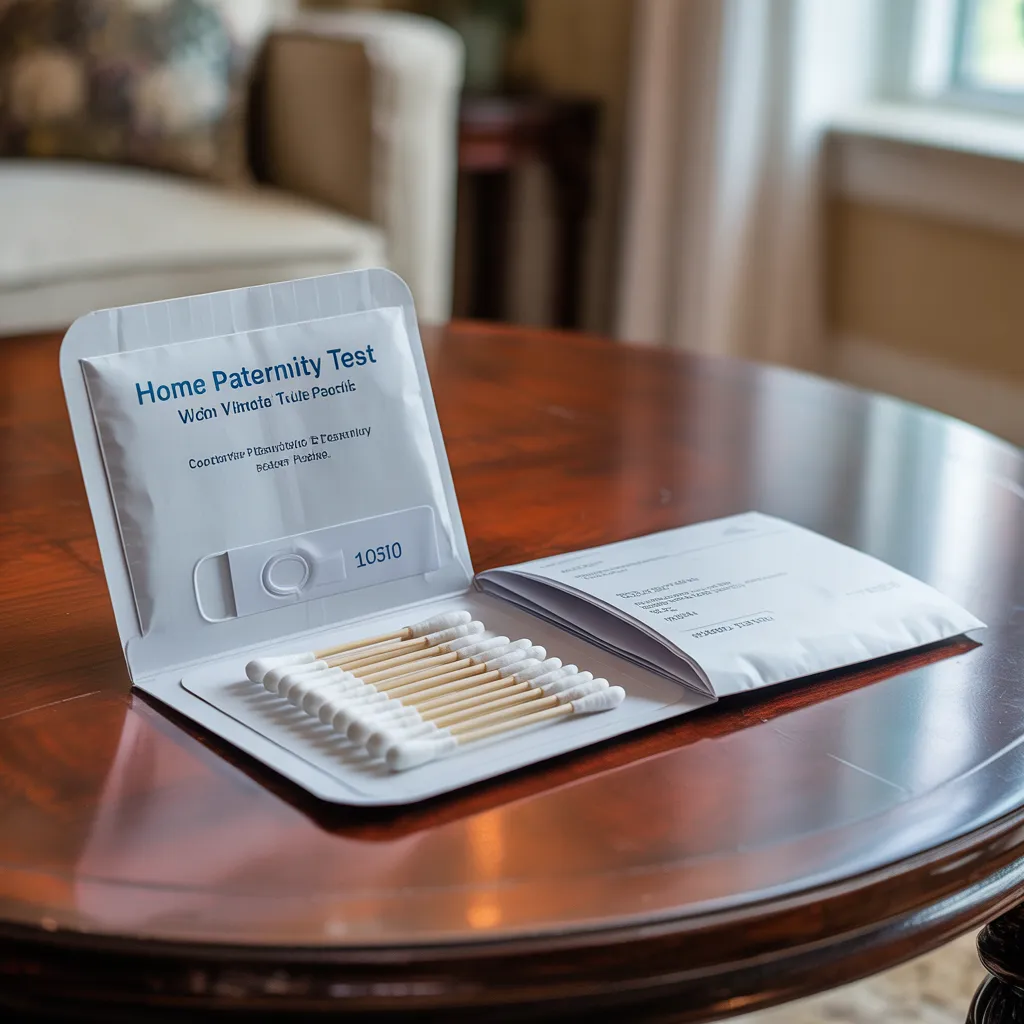
The Emergence of Home Paternity Testing Kits
The rise of residential paternity test kits has reshaped the domain of genomic testing, giving individuals a convenient and private solution for establishing biological connections. Such kits, readily accessible through retailers and online platforms, permit users to gather DNA specimens from their children and themselves without any need for expert guidance. The ease of the procedure has broadened access to paternity testing, empowering individuals to address parentage concerns from the privacy of their own homes.
Breakthroughs in packaging and technological design have enhanced the precision and dependability of findings, frequently delivering insights within a few days. Moreover, the affordability of these kits has opened access to a larger population, reducing the stigma associated with obtaining such testing. As social standards shift, the rise of home paternity testing kits signals a rising desire for transparency and personal autonomy in matters of family and identity.
Home Paternity Testing Kits: How to Use Them Step by Step
A great number of users consider using residential paternity testing kits simple and easy to use. First, they should verify they have every needed element, usually comprising testing swabs, a submission envelope, and thorough guidelines. Users must proceed to obtain DNA samples, usually through cheek swabs, making sure that the process is quick and thorough to avoid contamination.
Following this, one should carefully observe the kit's instructions for securing and labeling the specimens. Proper labeling is essential for preserving sample integrity. After the samples have been prepared, the specimens should be positioned in the provided envelope and sent to the designated laboratory, frequently making use of the pre-paid postage options supplied with the kit.
Once the samples are mailed, recipients can expect to wait anywhere from a few days to a few weeks for their results, which can typically be accessed through the company's website or by reaching out to the testing service directly. Following these steps provides a smooth journey with home paternity testing kits, enabling accurate results in a familiar and comfortable environment.
How Dependable Are At-Home Paternity Tests?
How reliable are at-home paternity tests? The reliability of these tests largely copyrights on the quality of the kit and the accuracy of the sample collection process. Leading home paternity test brands advertise accuracy rates above 99%, given that the directions are precisely followed. That said, various elements, such as contamination of the sample or mishandling, have the potential to impact the final results.
Moreover, while numerous testing kits utilize state-of-the-art DNA testing technologies, not all are of the same quality. Buyers should pursue tests that are approved by recognized laboratories, confirming rigorous standards in examination and validation.
It is essential to note that while home tests offer convenience and privacy, they may not be admissible in legal relevant resource situations. Therefore, individuals seeking definitive answers for legal purposes should consider professional testing. In general, home paternity tests have the potential to be accurate, but users must approach them with caution and discernment.
Addressing Legal and Ethical Challenges in Home Paternity Testing
Residential paternity tests, despite being convenient and discreet, present notable legal and ethical concerns that individuals must carefully address. A key issue is the risk of improper use, encompassing dishonest claims or conflicts related to custody arrangements and child support. The reliability of test outcomes could further influence court proceedings, as legal authorities may not acknowledge residential test findings without adequate verification.
From an ethical standpoint, individuals encounter moral challenges related to consent, particularly when children are part of the equation. Proceeding with testing in the absence of full consent from all individuals may result in damaged relationships and significant emotional turmoil. Moreover, the psychological implications of discovering unexpected parentage can be profound, influencing family relationships and personal identities.
Additionally, the lack of regulation in the residential testing market calls into question the reliability of the details supplied. Consumers must be vigilant, ensuring they understand the meaning behind the results and the potential consequences on their daily lives and interpersonal relationships.
How Convenient Testing Is Reshaping Family Relationships
Reshaping family dynamics, convenient access to paternity testing has changed the way individuals approach parentage and relationships. With residential testing kits widely accessible, people can now obtain answers to questions about genetic relationships without the extensive steps traditionally associated with such inquiries. This ease of access fosters transparency in familial relationships, facilitating open discussions about family lineage.
As a result, the negative perception surrounding paternity uncertainties decreases, enabling families to tackle matters that may have gone unresolved for extended periods. The chance to validate parentage can lead to deeper connections among family members, as uncertainties are settled. However, this ease of testing also raises new complications; unforeseen findings can unsettle formerly secure relationships. As families navigate these challenges, the harmony between knowledge and emotional consequences becomes vital. In the end, easy testing is transforming narratives about self-identity, trust, and inclusion, generating an evolving landscape in family dynamics.
Frequently Asked Questions
Are Home Paternity Test Results Admissible in Court?
At-home paternity tests are commonly not accepted in court because of issues regarding accuracy and chain of custody. Legal proceedings typically require testing performed by accredited laboratories to ensure adherence to standards and reliability.
Can Pets Be Tested for Paternity?
DNA testing can be used to determine paternity in pets, which identifies genetic ties. Specific genetic markers are analyzed in these tests to verify lineage, offering valuable information for breeders and pet owners regarding ancestry and health considerations.
What Is the Cost Range for Home Kits?
At-home paternity test kits usually fall anywhere from $100 to $300, based on the specific brand and testing complexity. Pricing may differ depending on added options, like faster turnaround times or additional sample collection methods.
How Long Does It Take to Receive Results?
Home paternity testing kit results generally take from several days up to two weeks. Delays may occur depending on how quickly the laboratory processes samples and the dependability of the postal service used to send them.
Do Age Restrictions Apply to Testing?
Age limitations for paternity testing usually differ according to each provider's policies. Typically, those under the age of majority may need parental approval, while adults can proceed without limitations. It is important to review the specific requirements of each testing service.