The Evolution of Paternity Testing: Innovations in Home Kits
The future of paternity testing is evolving rapidly, particularly with the rise of home testing kits. These developments bring improved privacy, convenience, and ease of access. Advanced DNA analysis and mobile app connectivity are becoming a reality. As public viewpoints continue to evolve, individuals are more frequently pursuing resolution on parentage matters. This evolution prompts significant inquiries about dependability and ethical consequences, driving a more thorough analysis of how these innovations will impact family structures going forward.
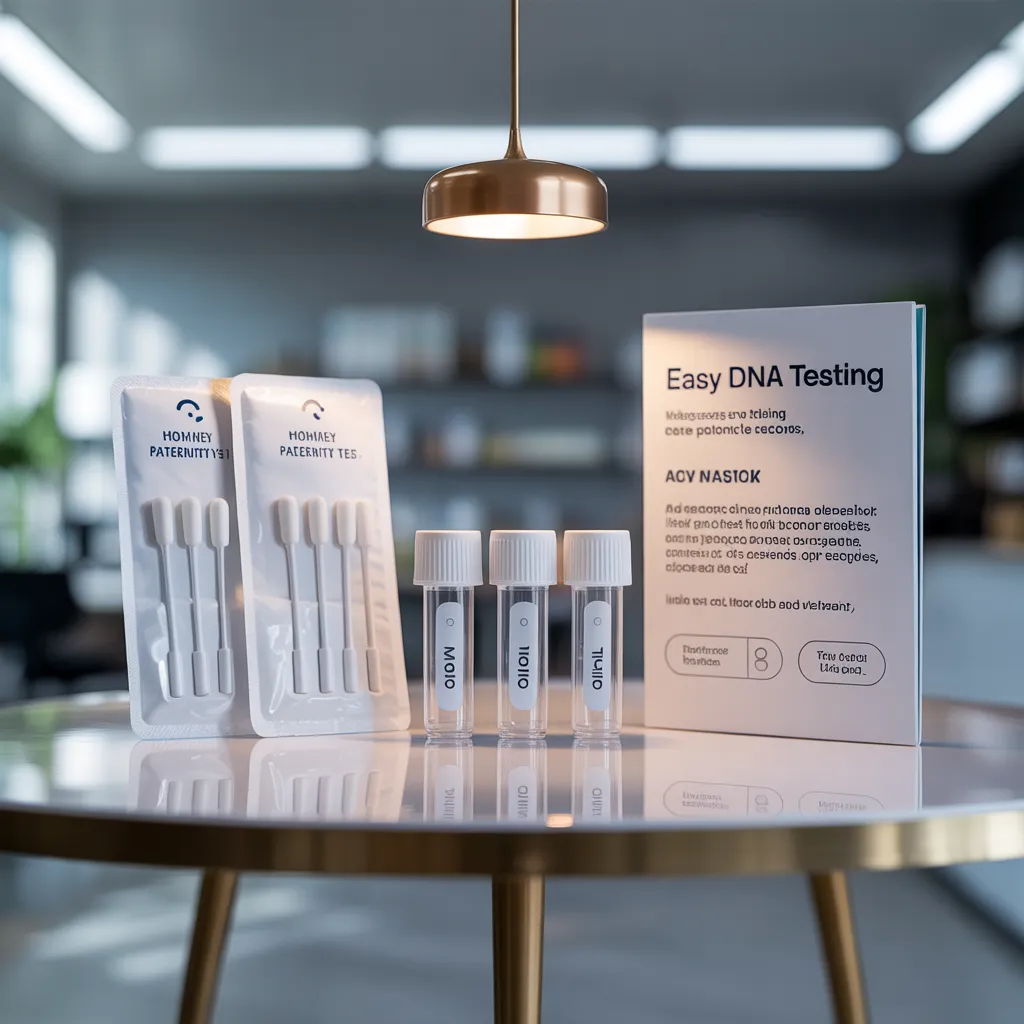
The Growth of Home-Based Paternity Testing Kits
The rise of at-home paternity testing kits has transformed the field of genomic testing, giving individuals a practical and confidential solution for determining biological relationships. These testing kits, readily accessible through retailers and online platforms, enable users to collect DNA samples from their children and themselves without requiring professional help. The straightforward nature of the process has democratized access to paternity testing, enabling people to address parentage concerns within the comfort of their own households.
Advancements in technology and packaging have elevated the accuracy and reliability of outcomes, regularly offering insights within a matter of days. Additionally, the affordability of these kits has made them accessible to a broader audience, reducing the stigma associated with obtaining such testing. As societal norms evolve, the increasing demand for residential paternity testing solutions signals a growing demand for openness and individual empowerment in questions of family and personal identity.
A Step-by-Step Guide to Using Home Paternity Testing Kits
Numerous people find the process of using home paternity testing kits straightforward and user-friendly. First, they should verify they have all necessary components, usually comprising collection swabs, a sample envelope, and comprehensive instructions. Users must proceed to obtain DNA samples, typically by using oral swabs, taking care that the collection is swift and careful to eliminate the risk of contamination.
Following this, one should carefully observe the kit's instructions for sealing and labeling the samples. Precise labeling is critical for ensuring sample integrity. When the samples are ready, the samples should be inserted in the supplied envelope and shipped to the appropriate laboratory, frequently making use of the pre-paid postage options supplied with the kit.
Following the mailing process, customers generally wait days to weeks for results, which are often available digitally or through personal correspondence with the testing company. By following these guidelines provides a straightforward experience with at-home paternity testing kits, making possible dependable findings in a comfortable environment.
What Is the Reliability of Home Paternity Tests?
How dependable are home-based paternity tests? The dependability of these tests primarily depends on the quality of the testing kit and the precision of the sample collection method. Most reputable home paternity tests claim accuracy rates exceeding 99%, provided that the instructions are meticulously followed. However, potential variables, such as sample contamination or improper handling, can affect results.
Moreover, while several kits use cutting-edge DNA analysis technologies, not all are of the same quality. Customers should look for tests that are accredited by recognized laboratories, guaranteeing strict standards in testing and validation.
It is important to recognize that although home tests provide convenience and privacy, they might not be accepted in legal proceedings. As a result, individuals seeking definitive answers for legal purposes should consider professional testing. Overall, home paternity tests may prove to be dependable, however users should handle them with care and careful judgment.
Addressing Legal and Ethical Challenges in Home Paternity Testing
Home paternity tests, though offering convenience and privacy, introduce important legal and ethical challenges that consumers need to be aware of. A primary concern is the risk of improper use, such as fraudulent claims or disagreements concerning child custody and financial support study matters. Result accuracy can also impact legal proceedings, as legal authorities may not acknowledge residential test findings without adequate verification.
Ethically, individuals encounter moral challenges related to consent, most notably when underage individuals are concerned. Testing without the consent of all parties has the potential to cause fractured relationships and psychological anguish. Additionally, uncovering unexpected parentage can carry deep psychological consequences, reshaping family structures and the sense of self for those involved.
Furthermore, the lack of regulatory oversight in the at-home testing market raises questions about the credibility of the information provided. Consumers must be vigilant, ensuring they are aware of the meaning behind the results and the potential consequences on their daily lives and interpersonal relationships.
How Easy Testing Is Shaping Family Relationships
Reshaping household relationships, easy access to paternity testing has shifted the way people navigate parentage and relationships. With residential testing kits widely accessible, families can now find clarity on questions about genetic relationships without the lengthy processes traditionally associated with such inquiries. This ease of access promotes openness within family dynamics, facilitating honest dialogue about parentage.
Consequently, the social stigma associated with paternity uncertainties decreases, allowing families to address concerns that may have remained unaddressed for years. The chance to confirm parentage can foster stronger bonds among family members, as doubts are clarified. However, this ease of testing also introduces new obstacles; unanticipated discoveries can disrupt once-harmonious relationships. As families navigate these challenges, the balance between understanding and emotional repercussions becomes essential. Ultimately, convenient testing is redefining narratives about personal identity, trust, and family ties, generating an dynamic environment in family dynamics.
Questions We Often Receive
Are Home Paternity Test Results Admissible in Court?
Home-based paternity tests are typically rejected in court due to concerns about reliability and chain of custody. Court proceedings commonly require assessments carried out by accredited testing facilities to establish reliability and adherence to standards.
Can Pets Be Tested for Paternity?
Yes, pets can be tested for paternity through DNA testing, which identifies genetic ties. Specific genetic markers are analyzed in these tests to verify lineage, providing breeders and pet owners with essential insights into ancestry and health factors.
What Is the Cost Range for Home Kits?
Paternity testing kits for home use generally cost anywhere from $100 to $300, depending on the specific brand and testing complexity. Costs can vary depending on additional features, including expedited results or extra sample collection options.
How Long Do Results Take to Receive?
Home paternity testing kit results generally take from several days up to two weeks. Processing times may vary based on the laboratory processing time and the efficiency of the mail service used for sample submission.
Are There Any Age Requirements for Testing?
Age limitations for paternity testing usually differ according to each provider's policies. Typically, those under the age of majority may need parental approval, while adults can proceed without limitations. Be sure to verify the particular guidelines set by each testing provider.