The Next Era of Paternity Testing: Innovations in Home Kits
Paternity testing is undergoing rapid evolution, particularly with the rise of home testing kits. These innovations promise greater privacy, convenience, and accessibility. Improved DNA examination and mobile application integration are just around the corner. As public viewpoints continue to evolve, individuals are more frequently pursuing resolution on parentage matters. This evolution prompts significant inquiries about dependability and ethical consequences, driving a more thorough analysis of how these innovations will impact family structures going forward.
The Emergence of Home Paternity Testing Kits
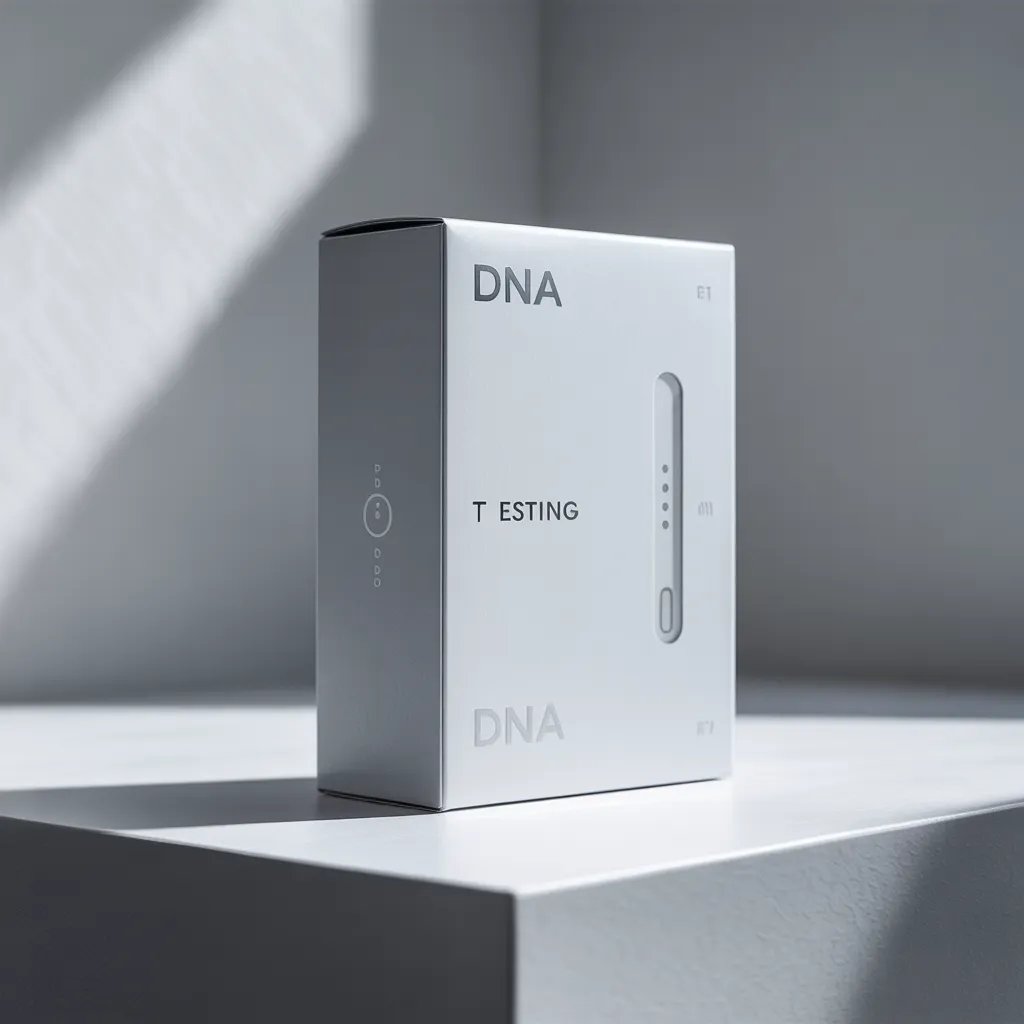
The advent of residential paternity test kits has transformed the landscape of DNA testing, providing individuals a practical and confidential solution for determining biological relationships. Such kits, widely available through retailers and online platforms, permit users to obtain DNA samples from their children and themselves without the need for professional assistance. The ease of the procedure has broadened access to paternity testing, allowing individuals to resolve questions of parentage in the comfort of their homes.
Breakthroughs in packaging and technological design have improved the precision and dependability of results, regularly offering clarity within a matter of days. Moreover, the cost-effectiveness of these testing kits has opened access to a larger population, reducing the stigma associated with obtaining such testing. As social standards shift, the increasing demand for at-home paternity test kits signals a rising desire for openness and individual empowerment in family and identity matters.
A Step-by-Step Guide to Using Home Paternity Testing Kits
A great number of users find the process of using home paternity testing kits straightforward and user-friendly. Initially, participants should ensure they have every needed element, typically including testing swabs, a submission envelope, and thorough guidelines. They are then required to gather DNA specimens, typically by using oral swabs, making sure that the process is quick and thorough to avoid contamination.
Following this, individuals should closely follow the accompanying instructions for properly sealing and labeling the samples. Correct labeling is crucial for ensuring sample integrity. When the samples are ready, they must be placed in the included envelope and mailed to the designated lab, typically utilizing the pre-paid shipping options provided in the kit.
Once the samples are mailed, people can expect to wait several days to weeks for results, which are often available via the company's online portal or through direct contact with the testing provider. By following these guidelines supports a smooth experience with at-home paternity testing kits, allowing for reliable results in a convenient setting.
What Is the Reliability of Home Paternity Tests?
How dependable are home-based paternity tests? The reliability of these tests largely copyrights on the quality of the kit and the accuracy of the sample collection process. The majority of well-regarded home paternity tests report accuracy rates of over 99%, as long as the instructions are carefully adhered to. Nevertheless, certain factors, including sample contamination or incorrect handling, may influence the outcomes.
Moreover, while several kits employ advanced DNA testing technologies, not all are created equal. Customers should pursue tests that are validated by reputable laboratories, verifying strict standards in testing and validation.
It is important to recognize that although home tests provide convenience and privacy, they might not be accepted in legal proceedings. Consequently, people who need authoritative answers for legal reasons should opt for professional testing. On the whole, home paternity tests may prove to be dependable, yet individuals must use them with prudence and careful consideration.
Exploring Legal and Ethical Considerations in Home Paternity Testing
At-home paternity tests, while convenient and private, present notable legal full information and ethical concerns that users must navigate. A key issue is the potential for misuse, encompassing dishonest claims or conflicts regarding custody and child support. The reliability of test outcomes can also impact legal proceedings, as legal authorities may not acknowledge at-home test results without adequate verification.
On an ethical level, individuals encounter moral challenges related to consent, particularly when children are part of the equation. Testing without the consent of all parties can lead to strained relationships and emotional distress. Additionally, uncovering unexpected parentage can carry deep psychological consequences, reshaping family structures and the sense of self for those involved.
In addition, the lack of regulatory oversight in the at-home testing market prompts concerns about the reliability of the data presented. Users must be diligent, ensuring they comprehend the significance of the results and the possible effects on their lives and relationships.
How Simple Testing Is Transforming Family Relationships
Reshaping family dynamics, the widespread availability of paternity testing has altered the way people navigate parentage and relationships. With residential testing kits easily accessible, individuals can now seek answers to questions about biological ties without the extensive steps conventionally required for such questions. This accessibility encourages transparency in familial relationships, encouraging open discussions about family lineage.
As a result, the shame linked to paternity doubts fades, encouraging families to tackle problems that may have long been suppressed. The chance to confirm parentage can foster deeper bonds among family members, as ambiguities are clarified. However, this accessibility of testing also presents new complications; unforeseen findings can destabilize once-harmonious relationships. As families navigate these complications, the equilibrium between information and emotional impact becomes crucial. At its core, easy testing is transforming conversations about identity, confidence, and family ties, fostering an ever-changing framework in family dynamics.
Questions We Often Receive
Do Courts Accept Home Paternity Tests?
Home paternity tests are generally rejected in court due to questions surrounding chain of custody and accuracy. Legal proceedings commonly require testing performed by accredited laboratories to ensure accuracy and compliance with established standards.
Is Paternity Testing Available for Pets?
Pets are able to undergo paternity testing through DNA analysis, which establishes genetic relationships. Such tests examine particular markers to establish ancestry, providing breeders and pet owners with essential insights into ancestry and health factors.
What Is the Price Range for Home Kits?
At-home paternity test kits typically range anywhere from $100 to $300, based on the brand and complexity of testing. Prices may vary depending on extra features, including faster turnaround times or additional sample collection methods.
How Long Does It Take to Receive Results?
Home paternity testing kit results generally take between a few days to two weeks. Turnaround times can be affected by the speed of laboratory processing and the reliability of the mail service chosen for submitting samples.
Are There Age Restrictions for Testing?
Age restrictions for paternity testing typically depend on the provider's policies. Generally, minors may require parental consent, while adults can test without limitations. It's essential to check specific guidelines for each testing service.