Understanding the Science Behind At-Home Paternity Tests
The technology behind home paternity tests has evolved considerably in recent years. These developments improve both precision and the overall experience. By employing painless DNA collection methods and advanced analytical methods, these tests produce trustworthy findings. However, as the popularity of these tests grows, several important considerations come into play. Grasping how these tests function and the impact of their usage is essential for anyone contemplating a test. What factors should one keep in mind before making a decision?
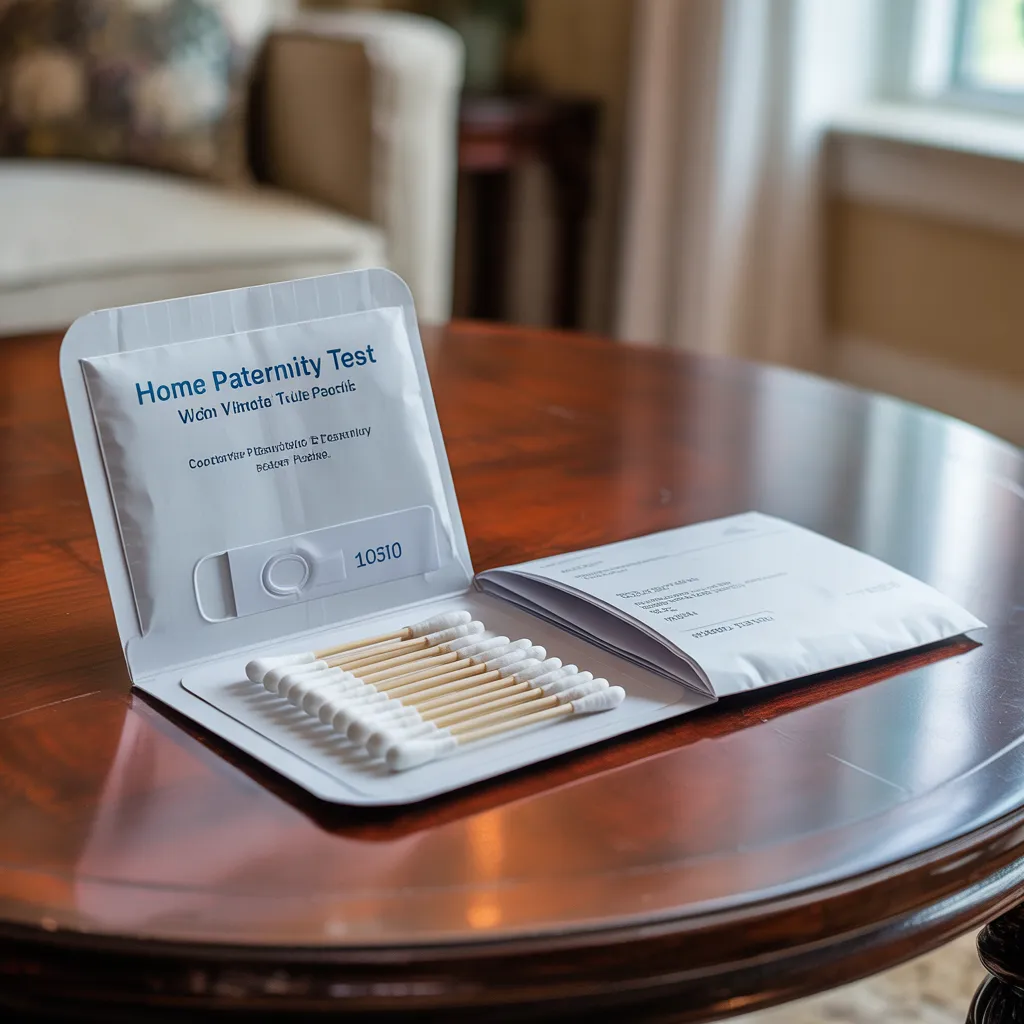
How Does a Home Paternity Test Work?
Home paternity tests operate through a clear and simple process that typically involves collecting DNA samples from the purported father and child. These specimens are generally gathered using basic cheek swabs, which are completely painless and non-invasive. Each participant rubs the swab inside their cheek to retrieve DNA-containing epithelial cells. Once the specimens have been obtained, they are dispatched to a laboratory for analysis.
Typically, the home paternity test kits include step-by-step guidance for collecting and packaging samples to ensure accurate results. Once the samples are processed, the laboratory analyzes the genetic indicators from each sample to establish whether there is a genetic connection. The results typically arrive within anywhere from a few days to two weeks to be delivered, depending on the service provider. Many paternity test kits also offer digital result viewing, allowing individuals to access their results in a private and prompt manner.
The Way DNA Analysis Operates in Paternity Tests
After samples are collected and sent to the laboratory, DNA analysis plays a pivotal role in determining paternity. The analysis commences with isolating DNA from the provided samples, typically saliva or cheek swabs. Next, specific regions of the DNA known as Short Tandem Repeats (STRs) are evaluated. These regions vary greatly among individuals, making them particularly effective for identification.
Labs examine the STR markers of the child with those of the potential father. Matching results across an adequate number of these markers points to a high probability of paternity. Statistical calculations are then employed to express the likelihood of paternity, typically represented as a percentage figure. A 99.9% outcome is generally considered conclusive confirmation of paternity. In contrast, a lesser percentage implies the absence of a biological relationship. Consequently, DNA testing provides a scientific foundation for establishing familial relationships, ensuring accuracy and reliability in home paternity testing.
New Developments in Genetic Testing for Paternity
Latest developments in DNA-based paternity testing have greatly enhanced the accuracy and accessibility of these services. Developments in next-generation sequencing (NGS) technology have enabled more comprehensive genetic profiles, allowing for better differentiation between the genetic input of each parent. This approach can examine millions of genetic markers simultaneously, dramatically increasing the accuracy of test results.
Additionally, the implementation of ML algorithms has streamlined the analysis of data, enabling faster turnaround times and limiting inaccuracies. Organizations have additionally prioritized easy-to-use kits that improve the collection process, making home testing more convenient for users.
Moreover, breakthroughs in mobile apps enable instant tracking of testing outcomes and progress, improving client engagement. These breakthroughs not only foster greater confidence in paternity testing but also widen access for individuals seeking guidance about familial relationships. Altogether, the field full information keeps advancing, delivering even more precise and accessible solutions in the time ahead.
Important Things to Know Before Picking a Home Paternity Test
When selecting a home-based paternity test, individuals should consider a number of important factors to secure accurate and reliable results. To begin, the accreditation of the test is vital; reputable companies should be accredited by institutions like the AABB. Furthermore, the techniques utilized in the analysis should be assessed. Tests employing advanced DNA analysis techniques, like PCR or Polymerase Chain Reaction, typically provide greater precision.
Moreover, users should evaluate the sampling procedures offered, as simplicity of use can impact the accuracy of the sample. The result delivery time for outcomes is also an essential consideration, as faster results can be beneficial for individuals requiring prompt data.
In the end, pricing should not be ignored; while affordability is important, it must never come at the expense of quality. By taking these elements into account, consumers can arrive at educated choices when picking the right home-based paternity test, guaranteeing reliable results.
Privacy Considerations in Home Testing
Even though home paternity testing is convenient and accessible, privacy concerns remain a significant issue for many individuals. The process usually entails collecting DNA samples, which raises questions about data security and potential misuse. Numerous testing providers may retain personal data, increasing the risk of breaches that could expose sensitive data. Furthermore, the confidential nature of the testing procedure can create difficulties, as individuals may be concerned that outcomes could be distributed without authorization or used against them in legal disputes.
Additionally, the absence of regulation in the home testing industry can compound these concerns. In contrast to medical laboratories, many home testing companies are not mandated to adhere to robust privacy standards, leaving consumers unprotected. As home paternity tests grow in popularity, it is imperative for individuals to comprehensively research companies and understand their data protection policies to secure their personal information.
Frequently Asked Questions
Are Home Paternity Tests Legally Admissible in Court?
At-home paternity tests are generally inadmissible in court due to questions surrounding their precision, custody of samples, and absence of proper oversight. Legally valid paternity typically requires tests conducted in a controlled, accredited laboratory setting.
What Is the Accuracy of Home Paternity Tests Versus Lab Tests?
Residential paternity tests commonly advertise upwards of 99% accuracy in confirming biological connections. However, clinical laboratory tests are often deemed more reliable owing to rigorous protocols, extensive quality control, and expert supervision, guaranteeing accuracy in legal settings.
What Samples Can Be Used for Home Paternity Testing?
At-home paternity testing generally relies on sample types including saliva, cheek swabs, or blood. These collected specimens offer genetic material for comparison, ensuring accurate results when processed under proper standards and protocols, comparable to professional lab testing procedures.
How Much Time Does It Take to Get Test Results?
Home paternity test results generally take between three to five business days. However, processing times may vary depending on the laboratory and the specific test, potentially extending to a week or more in some cases.
Do Home Tests Have the Ability to Determine Multiple Possible Fathers?
At-home paternity tests are generally designed for a single alleged father. They are not designed to reliably assess more than one potential father at the same time, as these tests are structured to analyze the genetic material of one individual.