The Emergence of Home-Based Paternity Tests: Accuracy, Privacy, and Convenience
The growing popularity of at-home paternity tests reflects a significant transformation in how families navigate the verification of parentage. With reliability rates often exceeding 99%, these tests present a convenient approach for gathering genetic samples. However, persistent concerns about privacy about personal genetic information continue to exist. As a growing number of families consider such testing options, it is important to consider the implications of privacy, accuracy, and emotional impact. What factors should they prioritize in their decision-making process?
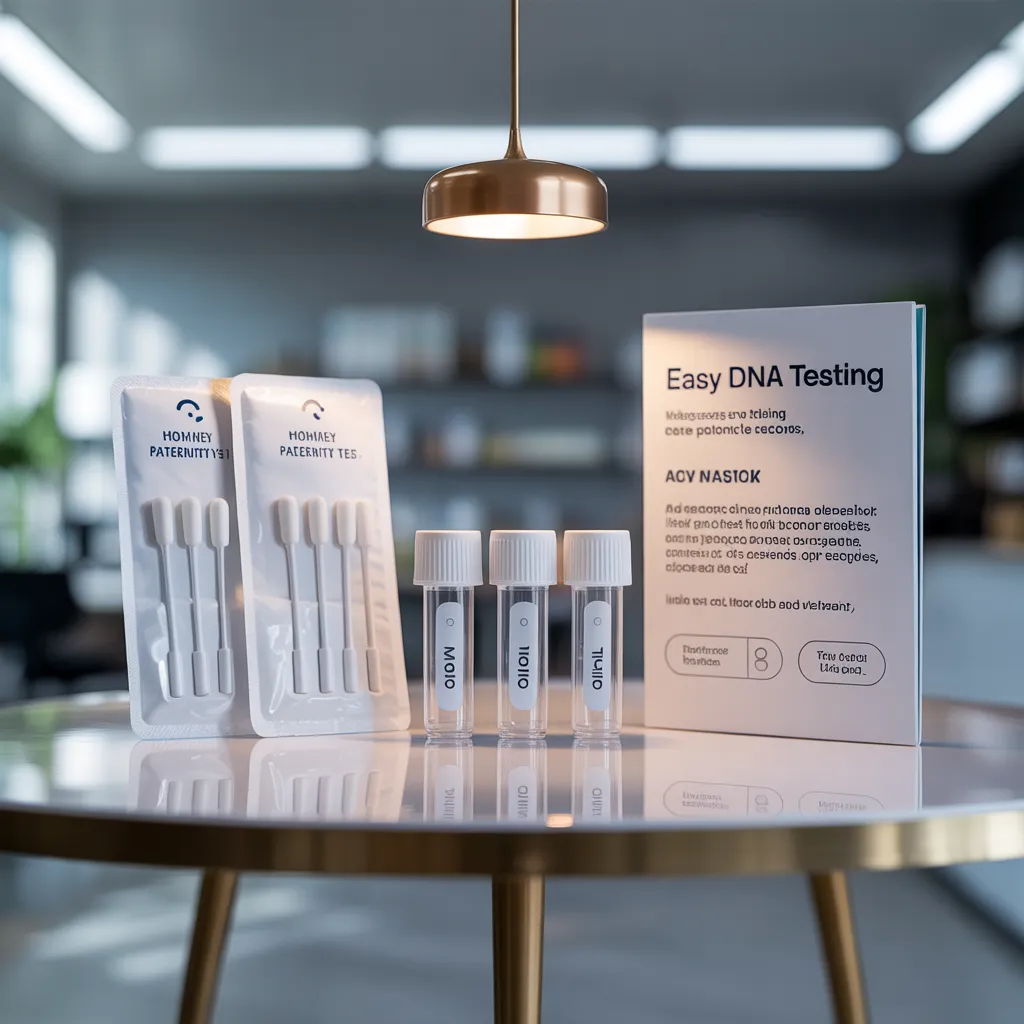
How Do Home Paternity Tests Work?
Residential paternity tests commonly work through a straightforward process centered around collecting genetic material. People are provided with a test kit that includes swabs for collecting cheek cells, usually from both the prospective father and the child. Participants are advised to softly brush the swabs along the inside of their cheeks so as to obtain enough DNA for testing. After collecting the samples, they are placed in designated containers before being mailed to a lab for examination.
Within the lab, the DNA is collected and examined to determine distinct genetic characteristics. This evaluation matches the DNA patterns of the child and the alleged father to confirm paternal relationship. Findings are typically ready within a few days, and the process is designed to be user-friendly, providing minimal stress. Home testing convenience attracts numerous individuals, permitting individuals to obtain clarity in the comfort of their personal space. This process underscores the assessment's rising demand as a dependable choice for paternity verification.
How Accurate Are Home Paternity Tests?
What level of accuracy do home paternity tests provide in establishing biological relationships? Typically, these tests are designed to provide a high degree of accuracy, frequently surpassing 99% when performed properly. They analyze DNA samples from the alleged father, child, and sometimes the mother, comparing genetic markers to establish a relationship. That said, the precision of these tests can be compromised by issues like sample contamination or inadequate handling practices.
Many home tests utilize advanced techniques comparable to those found in professional labs, yet they may be without the stringent oversight associated with professional testing. Moreover, results can vary between different brands or kits, underscoring the necessity of choosing a trusted supplier. While home paternity tests can offer a strong indication of genetic connections, individuals should exercise discretion, bearing in mind that significant emotional and legal ramifications may result from the findings. Ultimately, for total assurance, seeking guidance from an accredited lab is advisable.
What Are the Key Privacy Concerns?
Although home paternity tests provide an accessible means of determining genetic connections, they also introduce significant privacy concerns. The acquisition and processing of genetic data, typically collected as oral swabs or saliva specimens, has the potential to cause improper access or misappropriation. A large number of firms do not assure the security of collected samples, exposing individuals to the risk of privacy violations.
Moreover, the results may be shared with third parties without clear consent, increasing worries of social stigma or discrimination. Consumers may also be uninformed of how their genetic data will be kept or potentially applied to research purposes.
Additionally, the psychological ramifications linked to unforeseen outcomes can complicate the domain of data privacy. On the whole, while such tests offer simplicity and widespread availability, the absence of strict regulatory oversight and accountability in the handling of personal data generates important inquiries about the privacy rights of individuals and autonomy over their personal genetic data.
How Do Test Outcomes Impact Emotional Well-Being?
The emotional fallout from paternity test results can be deep and wide-ranging. Those involved may experience a whirlwind of emotions, ranging from joy and comfort to feelings of betrayal and anger. For certain individuals, a positive match can validate longstanding assumptions, fostering a bond of trust and reassurance. Conversely, a negative result may lead to a sense of confusion, disbelief, and sorrow, particularly if a familial bond is challenged.
These sentiments may reach beyond the person affected to impact relationships within families. Parents may grapple with feelings of guilt or anxiety over the implications for their children, while siblings could encounter changes in how they view family relationships. Furthermore, social stigma can exacerbate these feelings, as individuals navigate societal expectations surrounding parentage. Ultimately, the emotional toll of paternity testing outcomes differs considerably, underscoring the intricate relationship between identity, trust, and emotional well-being.
Key Factors for Choosing a Home Paternity Test
Working through the emotional journey following paternity test results often leads individuals to consider their options thoughtfully, particularly when selecting a home paternity test. Several key factors deserve attention to guarantee a reliable and satisfactory outcome.
First, exactness is critical; individuals should seek tests with high sensitivity and specificity rates. Next, usability is of great importance; a simple gathering process can ease concerns. Confidentiality represents another major consideration; trustworthy providers must ensure the safe management of personal information and outcomes.
Pricing is also an important consideration; those considering the service should measure the fee against the test's legitimacy and available support. Lastly, client feedback and testimonials offer valuable perspectives from previous users, helping individuals work through the various alternatives. Through careful assessment of these elements, people can arrive at well-informed decisions that match their personal requirements and goals.
Frequently Asked Questions
Are At-Home Paternity Tests Accepted as Legal Evidence in Court?
At-home paternity tests are commonly unable to be used as legal evidence in court due to concerns about accuracy and the lack of standardized procedures. Courts typically require analyses carried out by certified laboratories for reliable legal evidence in paternity cases.
What Is the Turnaround Time for Home Paternity Test Results?
Results from home paternity tests generally take three to five business days to process. Certain providers offer accelerated processing services, reducing the wait time to approximately 24 hours, subject to the specific method of testing chosen.
Can I Take the Test Again if I'm Unclear About My Results?
Indeed, individuals can repeat the test if not confident in the results. It's advisable to allow some time to pass before retesting to confirm precise outcomes. Seeking professional advice can also provide view this guidance on the most appropriate course of action.
What Samples Are Required for Home Paternity Tests?
At-home paternity tests usually call for oral swab samples from the child as well as the potential father, though some kits may also accept blood specimen samples. Proper collection and handling of these samples are essential for accurate results.
Do Age Restrictions Apply When Testing Children?
There are generally no specific age restrictions for testing children with home paternity tests. However, obtaining consent from a legal guardian is typically required, guaranteeing that the child's rights and personal privacy are honored throughout the procedure.