Uncovering the Facts: A Detailed Overview to Home-Based Paternity Testing
At-home paternity tests provide a confidential way to investigate family relationships. These tests utilize straightforward DNA gathering techniques and deliver findings that can significantly affect interpersonal connections. However, choosing the right kit and understanding the implications of the findings is of utmost importance. As individuals navigate the intricacies of their findings, they must also take into account personal and legal considerations. The experience extends beyond the findings; the aftermath can be equally significant.
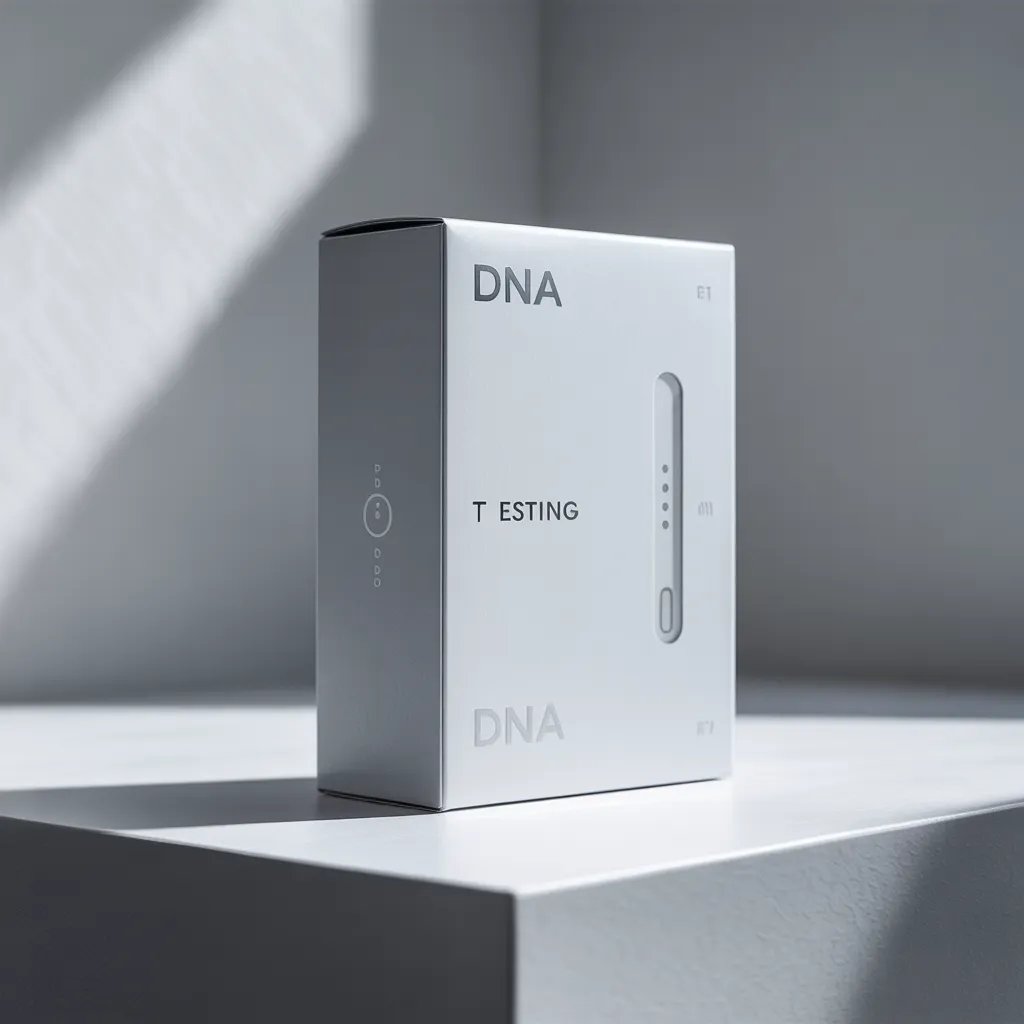
What Is a Home DNA Paternity Test and How Does It Operate?
An in-home paternity test represents a discreet and accessible option for individuals to determine biological relationships. The process generally requires gathering DNA specimens from the presumed father, the child, and occasionally the mother. These specimens are frequently gathered using basic cheek swabs, which require no professional oversight. The collected samples are then dispatched to a laboratory for testing.
Within the laboratory, DNA is collected and examined using standard genetic markers. The results indicate whether there is a biological relationship between the parties involved in testing. The majority of at-home paternity tests deliver findings within a few days, enabling people to obtain their results quickly and discreetly.
Even though these tests are largely accurate, they lack legal standing and may not hold up in a court of law. Therefore, individuals seeking definitive legal confirmation may need to pursue a more formal testing process. However, home-based paternity tests present an approachable avenue for individuals seeking information about biological ties.
Tips for Selecting a Reliable Home Paternity Test Kit
Selecting a trustworthy home paternity test kit entails evaluating the accuracy of the results and the credibility of the brand. Customers should focus on options that provide superior accuracy to establish trustworthy findings. In addition, picking a well-known company can provide additional peace of mind of reliability and quality.
Testing Accuracy Assurance
What determines the dependability of a at-home paternity testing kit? Choosing a reliable kit depends on several important factors. Initially, it is crucial to ensure the test is validated by the FDA or equivalent regulatory bodies, which signals a commitment to quality oversight. Additionally, the reliability percentage should be openly advertised, with reputable kits often boasting over 99% accuracy. The availability of a straightforward and comprehensive instruction guide is also crucial, as accurate sample acquisition and processing can greatly influence results. Moreover, kits that offer a professional lab verification in addition to home testing can supply further validation. To conclude, evaluate the specimen varieties the kit accommodates—oral swabs are typically favored for their convenience and accuracy in DNA collection.
Your Brand Reputation Counts
Trustworthiness is of utmost importance when picking a home paternity test kit, and brand reputation plays a significant role in maintaining dependability. Reputable brands often have a track record of precision, consumer satisfaction, and conformity with industry regulations. Buyers should investigate brands, looking for ratings, testimonials, and accreditations from trusted health authorities. A reputable brand typically offers clear instructions, dependable customer service, and transparent privacy policies. Additionally, it's crucial to assess the scientific foundation of the testing techniques used. Manufacturers that focus on quality management and third-party verification are more capable of producing reliable findings. By choosing companies with an established standing, consumers can make well-informed choices and feel confident in the accuracy of their at-home paternity testing outcomes.
Perks of Home Paternity Testing
Home paternity testing offers a range of benefits that attract individuals seeking answers. It ensures discretion and confidentiality, allowing users to perform tests from the privacy of their own homes. Moreover, these assessments offer a convenient and cost-effective solution, ensuring they are available to more people.
Privacy and Confidentiality
Why is privacy such a crucial consideration for individuals exploring paternity testing? For many, the decision to undergo paternity testing is deeply personal and often accompanied by emotional complexities. Home paternity tests offer a vital level of confidentiality, enabling individuals to gather samples and obtain results away from outside observation. This level of discretion is essential for those seeking to avoid possible stigma or judgment from family members, friends, or the broader community. Furthermore, trusted home testing companies place a high priority on safeguarding personal information, making certain that results remain accessible exclusively to those directly involved. This level of privacy creates a safe space where individuals can address sensitive matters without apprehension, empowering them to make well-informed decisions about their family relationships and future.
Convenience and Accessibility
As individuals search for understanding regarding their biological relationships, home paternity testing provides a convenient and accessible solution. Such tests can be performed in the privacy of one's own home, removing the necessity for medical facility visits and time-consuming appointments. Participants can collect samples at their convenience, accommodating their timetables and individual preferences. Furthermore, home testing kits are widely available online and in retail stores, making them easy to obtain. The clear directions included enable people to complete the test without expert knowledge, improving availability for everyone. This straightforward process makes it possible for any individual to take part in the evaluation, fostering a sense of empowerment in resolving paternity questions. Overall, home paternity tests present a practical option for those seeking answers.
Budget-Friendly Option
The budget-friendly nature of home paternity testing makes it an attractive option for many individuals facing paternity questions. In contrast to conventional testing approaches, which often involve high fees and additional expenses, home tests usually offer a considerably lower price point. This financial accessibility empowers more families to tackle their concerns without accumulating considerable financial burden. Moreover, home testing does away with the necessity of pricey medical visits, as individuals are able to gather samples from the convenience of their own homes. The straightforward nature of these tests often leads to faster outcomes, enabling families to reach conclusions sooner. Overall, the economical quality of home paternity testing empowers individuals to seek the truth without financial strain, rendering it a try this practical option for numerous individuals.
A Step-by-Step Guide for Performing a Home Test
Conducting a paternity test at home can be a manageable process if the required steps are followed carefully. Initially, people should buy a dependable home paternity DNA kit from a credible source. After the kit arrives, the next step involves gathering samples, typically using cheek swabs from both the potential father and the child. It is crucial to carefully follow the provided instructions to ensure proper sample quality.
After collecting the samples, they must be carefully packaged according to the kit's guidelines to ensure no contamination occurs. Next, individuals are required to fill out the necessary paperwork, verifying that all provided information is precise. The collected samples are subsequently submitted to the laboratory specified in the kit, often utilizing prepaid shipping to expedite the process. Lastly, individuals must provide the lab enough time to examine the samples, after which results will be available, typically through an online portal or by mail.
How Do You Interpret Your Paternity Test Results?
How can one interpret the results of a paternity test? The results commonly reveal whether a tested individual is the genetic father of a child. A confirming result, frequently expressed as a probability percentage of 99% or higher, verifies paternity with compelling statistical evidence. Conversely, a excluding result, generally below 1%, confirms that the tested individual is not the child's biological father.
Outcomes may additionally contain a spectrum of probability values, representing the probability of a paternal relationship derived from genetic markers examined throughout the testing process. It is critical to acknowledge that while high probabilities suggest a strong likelihood of paternity, they cannot be considered conclusive evidence.
Those should consider speaking with a qualified genetic specialist or relevant expert to thoroughly understand their test outcomes and any emotional implications. Accurate interpretation of these results is essential for reaching well-considered conclusions relating to familial relationships and prospective personal bonds.
Legal Considerations for Home Paternity Tests
While home paternity tests offer convenience and privacy, it is essential to understand their legal implications. These tests, which are generally not performed in a controlled environment, may not carry the legal standing necessary for court proceedings. Findings from non-legal tests are inadmissible as evidence in custody disputes, child support cases, or inheritance claims.
In addition, the documentation trail is crucial; without sufficient documentation, the outcomes may be disputed. People must furthermore evaluate the effects of disclosing their findings, including foreseeable emotional and relationship-related impacts.
In certain regions, guidelines may control the promotion and distribution of at-home paternity tests, requiring knowledge of area-specific legislation. For individuals pursuing a legally recognized determination, people should consult credentialed testing facilities that supply legally valid results. All things considered, being aware of these legal factors enables informed decision-making when it comes to residential paternity testing.
Your Next Steps Following Your Test Results
Obtaining paternity test results can evoke a range of feelings, prompting individuals to thoughtfully consider their subsequent decisions. Once the results are reviewed, it is essential to grasp their significance. If the findings confirm a biological connection, individuals may choose to begin discussions with loved ones to review the outcomes and likely adjustments to personal connections.
For people confronted with unexpected findings, reaching out to a counselor or therapist can offer meaningful assistance. It is also wise to assess the potential legal consequences, particularly when the test results may influence custody or child support arrangements.
Individuals might need to assess whether further testing or verification is necessary, particularly if the results are disputed. Lastly, recognizing the psychological and emotional components of the result can help with interpreting the findings and reaching well-considered conclusions in the future.
Popular Questions We Receive
Are At-Home Paternity Tests Accepted as Legal Evidence in Court?
At-home paternity tests are generally not legally admissible in court due to concerns over their accuracy and the lack of chain of custody. Legal proceedings usually require analyses carried out by certified laboratories for legal purposes.
How Reliable Are Home Paternity Test Kits?
Home paternity test kits typically boast accuracy levels surpassing 99%. Nevertheless, outcomes can differ depending on elements including the quality of samples and testing methods, necessitating careful consideration and potentially additional verification via certified testing facilities to achieve conclusive results.
Am I Able to Test More Than One Child at a Time?
Indeed, several children can be evaluated concurrently using home-based paternity test kits. However, it is essential to adhere to the manufacturer's guidelines closely to ensure correct results and avoid any likely contamination between swab samples.
What Specimens Are Required for Testing?
In paternity testing cases, samples that are typically required include oral swabs from the child and the potential father. Extra samples, for instance from the mother, may increase the precision of the test, yet they are not always needed to obtain definitive results.
How Long Does It Take to Get Results?
Results from home paternity tests typically take between 2 to 5 business days, depending on the laboratory's processing speed. Timeliness may vary based on factors such as sample quality and testing demand at the facility.