The Rise of Home Paternity Tests: Precision, Confidentiality, and Ease
The growing popularity of at-home paternity tests represents a significant change in how families approach the verification of parentage. With precision levels often exceeding 99%, such tests present a accessible method for gathering genetic samples. However, significant worries regarding privacy about genetic data continue to exist. As an increasing number of individuals evaluate this form of testing, they must weigh the impact of emotional consequences, accuracy, and privacy. What elements should they focus on in determining the right course of action?
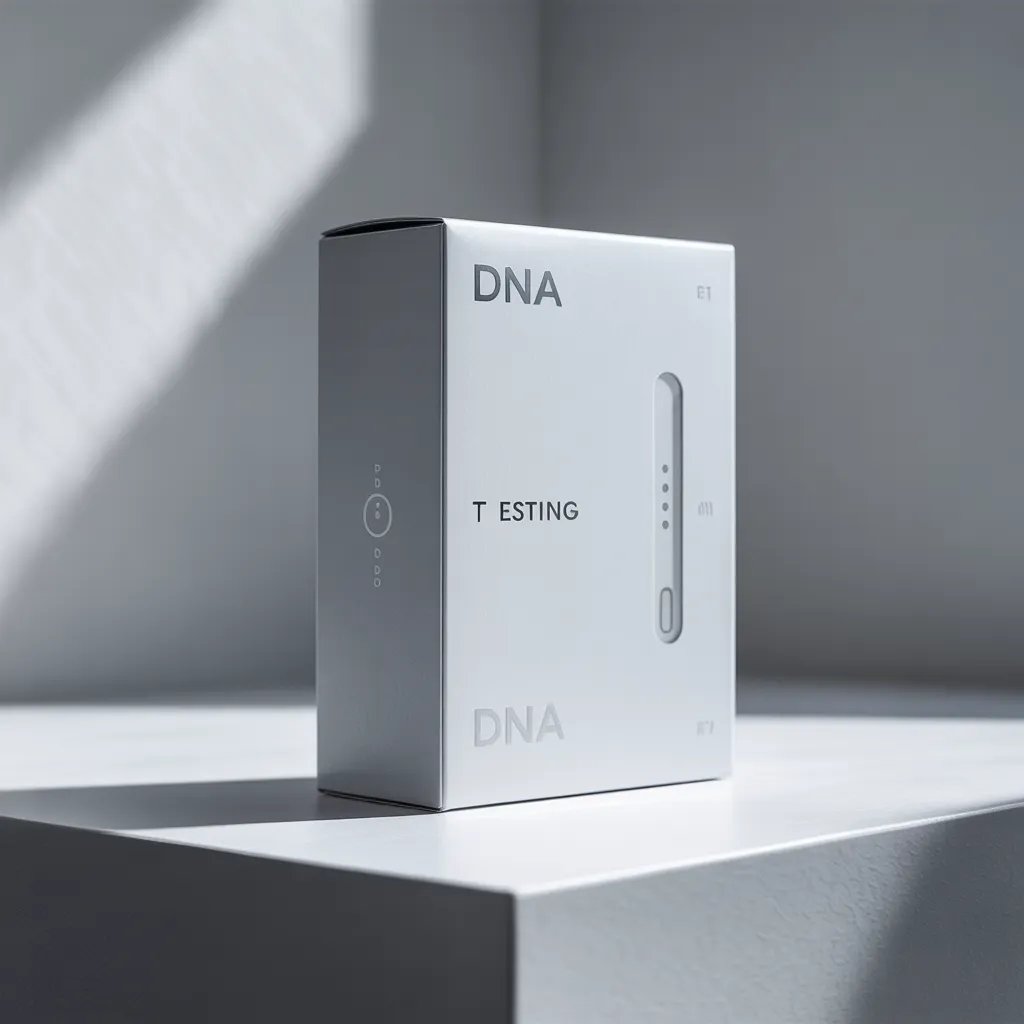
How Do Home Paternity Tests Work?
At-home paternity tests generally operate by means of an uncomplicated method involving the collection of DNA samples. People are provided with a test kit that includes swabs for collecting cheek cells, typically from the potential father and child. Users are instructed to gently rub the swabs inside their cheeks to gather sufficient DNA material. Following the collection of the samples, the swabs are secured in provided containers before being mailed to a lab for examination.
At the laboratory, the DNA is collected and examined to determine distinct genetic characteristics. The examination contrasts the DNA profiles of the child and the alleged father to confirm paternal relationship. Results are usually available within a few days, and the method is crafted to be user-friendly, ensuring minimal discomfort. Home testing convenience attracts numerous individuals, allowing individuals to seek answers in the privacy of their own environment. This process underscores the examination's increasing recognition as a reliable option for confirming paternity.
What Is the Accuracy of Home Paternity Tests?
How reliable are home paternity tests when it comes to determining biological relationships? In most cases, these tests are reported to deliver a high accuracy rate, commonly exceeding 99% when administered under the right conditions. They analyze DNA samples from the alleged father, child, and sometimes the mother, comparing genetic markers to establish a relationship. However, the accuracy can be influenced by factors such as sample contamination or improper handling.
Most home tests utilize advanced techniques comparable to those used in certified facilities, yet they may be without the stringent oversight associated with professional testing. Moreover, results can differ between various brands and products, underscoring the significance of identifying a reliable source. While home paternity tests can offer a reliable sign of genetic connections, individuals should exercise discretion, considering that significant emotional and legal ramifications may arise from the findings. In the end, for absolute certainty, seeking guidance from an accredited lab is recommended.
What Are the Privacy Concerns?
Whereas home paternity tests present a practical method for confirming familial biological ties, they also raise significant privacy concerns. The acquisition and processing of genetic data, typically collected as oral swabs or saliva specimens, can lead to unlawful access or exploitation. A large number of firms do not assure the privacy of provided specimens, leaving individuals vulnerable to privacy violations.
Furthermore, the findings may be disclosed to third parties without explicit consent, intensifying fears of social stigma or bias. Users may also be unaware of how their genomic data will be retained or potentially applied to research objectives.
Furthermore, the emotional implications connected to surprising discoveries can create additional challenges within the privacy landscape. In summary, while these examinations present convenience and broad access, the deficiency of rigorous regulations and openness in how data is managed generates important inquiries about individuals' rights to privacy and ownership of their own genomic information.
How Do Test Results Affect Emotions?
The emotional consequences from paternity test results can be deep and wide-ranging. Those involved may experience a range of emotions, ranging from joy and comfort to resentment and heartbreak. For some, a positive match can confirm deeply held convictions, fostering a bond of trust and reassurance. On the other hand, a negative result may lead to emotions of uncertainty, bewilderment, and grief, particularly if a familial bond is challenged.
These sentiments may reach beyond the person affected to affect family relationships. Parents may grapple with fear and guilt concerning what this means for their children, while brothers and sisters may experience changes in how they view family relationships. Additionally, public stigma can worsen full information these sentiments, as individuals cope with societal norms around parentage. Ultimately, the emotional toll of paternity test results varies widely, emphasizing the complicated connection between identity, trust, and emotional well-being.
Essential Factors for Selecting a Home Paternity Test
Navigating the emotional landscape after paternity test results frequently causes people to think carefully about their next steps, particularly when deciding on a home paternity test. A number of important considerations deserve attention to secure a dependable and favorable outcome.
First, exactness is critical; people ought to look for tests featuring high sensitivity and specificity levels. Additionally, simplicity of use is fundamental; a clear and direct collection method can minimize stress. Data protection is also a critical factor; reputable companies should guarantee secure handling of personal data and results.
Cost is also a factor; potential users should weigh the price against the test's credibility and support services. Lastly, user reviews and personal accounts shed light on the experiences of fellow customers, providing direction when navigating available choices. Through careful assessment of these elements, people can arrive at well-informed decisions that match their personal requirements and goals.
Popular Questions We Receive
Are Home Paternity Tests Legally Admissible in Court?
DIY paternity tests are commonly inadmissible in court because of accuracy concerns and the absence of standardized procedures. Courts generally mandate tests conducted by accredited laboratories to serve as valid legal evidence in paternity disputes.
How Long Do Home Paternity Test Results Take?
Home paternity test results typically take three to five business days to be processed. Certain providers offer expedited services, reducing the wait time to approximately 24 hours, based on the particular testing method selected.
Can I Retest if I'm Unsure of Results?
Yes, users can take the test again if not confident in their results. It's advisable to wait a short period before retesting to ensure accuracy. Speaking with an expert can also help determine the best steps to take.
What Samples Are Required for Home Paternity Tests?
Residential paternity test kits typically require buccal swabs from the child as well as the potential father, although some kits may also accept samples taken from blood. Appropriate collection and proper handling of such samples are vital for obtaining reliable results.
Are There Age-Related Limitations for Children's Testing?
There are typically no particular age limitations when testing children using home paternity tests. That said, acquiring approval from a legal guardian is usually mandatory, ensuring the child's rights and privacy are respected throughout the process.