Understanding Family Relationships: How Sibling DNA Testing in Uncovering Family Bonds
Sibling DNA testing has emerged as essential resources for exploring family connections. These tests can establish parentage and uncover ties that were once a mystery. Even as these tests shed light on biological connections, they present emotional intricacies that families are required to address. The consequences of these findings can be significant, raising questions about one's sense of self and place within a family. What occurs when the outcomes call into question beliefs about family that have been held for generations? The outcomes have the potential to transform family bonds in ways no one explore the details anticipated.
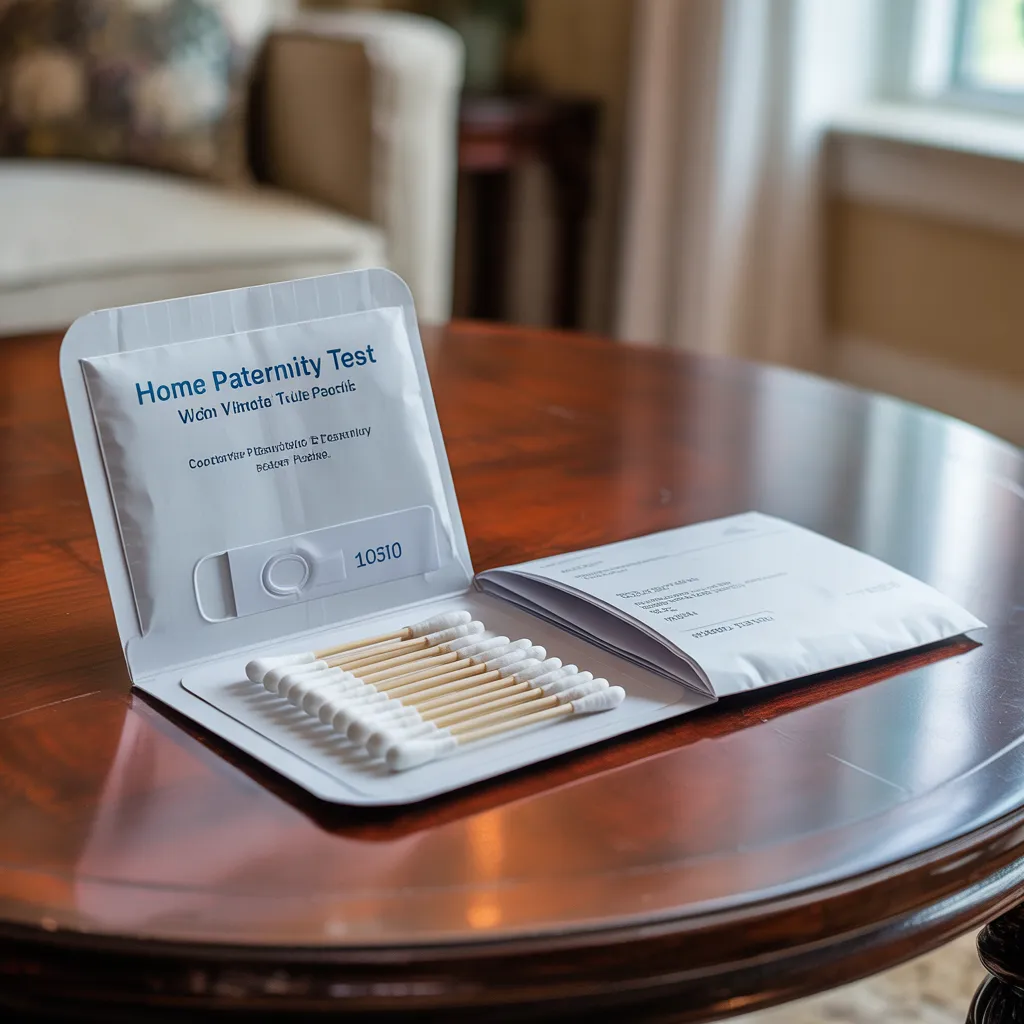
What Sibling DNA Tests Are and Why They Matter
Sibling DNA tests serve as a powerful tool for uncovering familial bonds among siblings. These tests analyze genetic markers shared between individuals to determine the likelihood of the parties being wholly related, partially related, or entirely unrelated. By examining genetic sequences, individuals can obtain a deeper understanding of their biological ties, which may be particularly valuable for people navigating complicated familial histories or uncertainties regarding parentage.
Recognizing these connections can greatly influence family dynamics, delivering understanding in situations where familial ties remain uncertain or disputed. Sibling genetic tests can also cultivate a sense of identity and belonging, especially for those looking to explore their ancestry. Additionally, the results can shape emotional bonds, helping siblings navigate feelings of connection or disconnection. As the significance of genetic information expands in society, these tests remain essential for fostering clarity and harmony within family structures.
How DNA Testing Identifies Hidden Family Connections
How can DNA testing reveal connections that were previously unknown? DNA testing offers a powerful method for revealing family relationships that might not be apparent through conventional approaches. By analyzing genetic markers, individuals can identify biological connections with half-siblings, unknown relatives, or even distant cousins. This method can help untangle intricate family histories, most notably in adoption cases or circumstances where family structures differ from the norm.
The findings can provide valuable information regarding shared ancestry, genetic traits, and health predispositions. For many, this newfound knowledge can reshape their understanding of family dynamics and lineage. Additionally, DNA testing may expose surprising family connections, encouraging people to investigate connections that were previously overlooked. In the end, the discoveries from genetic testing can significantly improve one's comprehension of their family tree, cultivating a greater respect for the intricate web of relationships that define personal identity.
Psychological Impact of Sibling DNA Testing on Family Dynamics
DNA tests for siblings can markedly impact familial bonds by exposing unexpected connections that challenge honesty and openness. Such findings often lead to complicated emotional responses, as individuals grapple with their identities and familial bonds. Recognizing these psychological impacts is vital for managing the aftermath of testing and sustaining strong familial connections.
Credibility and Transparency Problems
Trust and transparency issues often emerge among family members when sibling DNA tests are introduced. Undergoing such testing can unearth hidden family secrets, prompting feelings of betrayal among siblings who had previously assumed they maintained a simple and clear relationship. These discoveries can prompt questions regarding the honesty of parents and the reliability of family accounts. When results differ from expectations, the emotional consequences can damage relationships, as individuals grapple with feelings of insecurity and doubt. Furthermore, the perceived need for a DNA test can suggest deeper deficiencies in trust, indicating that relatives may feel unable to speak candidly about their relationships. Therefore, such tests may unintentionally undermine the basis of family trust, complicating already delicate dynamics.
Managing Emotional Responses
When unforeseen results from sibling DNA tests come to light, the emotional landscape within families can shift dramatically. Revelations about biological connections can lead to feelings of betrayal, confusion, or anger among siblings. Some may grapple with questions about their identity or the authenticity of their relationships, while others might experience a sense of relief or validation. Handling these emotions necessitates open communication and empathy, as siblings address their reactions together. It is vital for family members to create space for individual feelings without judgment, cultivating an environment where healing and understanding can develop. At the end of the day, the influence of these tests can either test or fortify family bonds, depending on the strategy adopted in addressing the emotional aftermath.
How DNA Insights Can Help Strengthen Communication Among Siblings
Recognizing the genetic relationships shared by siblings can improve their understanding of each other, particularly when conflicts surface. By utilizing knowledge from genetic examinations, siblings can obtain a more accurate view on their genetic links, which may reveal underlying reasons for certain tendencies or differences. This understanding cultivates mutual understanding, as siblings discover that biological distinctions can impact personal tendencies and individual choices.
When tensions surface, turning to genetic understanding can serve as a neutral ground for discussion. As opposed to assigning disputes purely to individual differences, brothers and sisters may acknowledge that their individual qualities originate from their genetic background. This understanding can encourage a more meaningful exchange, promoting honest discussion about emotions and personal encounters.
In the end, utilizing DNA insights motivates siblings to engage with their relationships through curiosity instead of judgment. By fostering a deeper understanding of each other's genetic backgrounds, siblings can create a more supportive environment that nurtures their bond, even amidst challenges.
Genuine Experiences: How DNA Testing Reshaped Family Bonds
Sibling relationships can be profoundly impacted by the insights uncovered through DNA testing. In one remarkable instance, two brothers who had grown up separately learned through a DNA analysis that they shared the same biological father, resulting in an emotional reunion. This new relationship they had uncovered allowed them to share experiences and stories, deepening their bond.
In one such case, a woman learned that her half-sibling, who she previously considered to be a cousin, was actually a sibling. This revelation encouraged both to explore their family history together, fostering a sense of connection and understanding that had been absent.
Conversely, DNA examination occasionally exposes unforeseen truths, as in the case of a individual who came to realize he was not a biological match for his siblings. Though the news was initially jarring, this knowledge in the end led to transparent exchanges and a refreshed appreciation for the emotional ties that define family, regardless of genetics.
Ethical Factors in Sibling DNA Testing
With the progress of genetic testing offering valuable insights into familial bonds, they also raise significant ethical considerations. Sibling DNA analysis may bring to light unanticipated family relationships, possibly unsettling established family structures and resulting in emotional hardship. The choice to proceed with genetic testing commonly necessitates consent from various family members, raising questions about autonomy and the right to know one's genetic background. Moreover, the revelation of non-paternity or half-sibling ties may give rise to deep-seated feelings of betrayal and uncertainty among relatives.
Privacy challenges also surface, as genetic information is delicate and could be exploited if not sufficiently secured. The possibility of bias based on genetic characteristics further adds complexity to the ethical terrain. Consequently, it is essential for those thinking about sibling DNA tests to thoughtfully evaluate the emotional and ethical consequences, ensuring that they engage with the procedure with thorough knowledge of its likely effects for themselves and their families.
Future Directions in DNA and Family Ties
In what ways will the transforming nature of genomic analysis alter familial connections in the years ahead? As technological innovation continues, the accessibility and cost efficiency of genetic tests are likely to increase, permitting more households to uncover their genetic links. This growth in DNA testing may result in a deeper understanding of kinship ties, discovering formerly hidden connections and questioning established perceptions of familial identity.
In addition, the emergence of retail genetic testing could encourage a culture of candor regarding family narratives and origins. As more and more people engage with their genetic backgrounds, conversations about heritage, cultural background, and family relationships will emerge as everyday topics.
Even so, this development also brings up important questions about privacy and consent, as households navigate the nuances of sharing genetic information. In the end, the future landscape of DNA analysis may cultivate both stronger family bonds and novel challenges, as families learn to adapt to the revelations and discoveries that come from their genetic legacies.
Commonly Asked Questions
How Reliable Are Sibling DNA Tests for Identifying Relationships?
Sibling DNA testing is typically reliable, providing a strong likelihood of verifying familial connections. Nevertheless, outcomes may differ depending on the degree of genetic similarity, and additional context may be necessary to fully understand familial connections.
Are Sibling DNA Tests Able to Uncover Non-Biological Relationships?
Sibling DNA tests chiefly identify genetic relationships; however, they can implicitly point to non-genetic connections by identifying mutual genetic traits. These results may lead individuals to examine familial relationships beyond standard concepts of family bonds.
At What Age Is It Appropriate to Take a Sibling DNA Test?
The recommended age for undergoing a sibling DNA analysis generally starts at 18 years of age, as people at this age are deemed adults who can make well-informed choices. Minors may require parental approval and supervision for understanding results.
How Do Sibling DNA Tests Handle Half-Siblings Versus Full Siblings?
Sibling DNA testing differentiate between half and full siblings by evaluating shared genetic markers. Full siblings share roughly 50% of their DNA, while siblings who are half-siblings share roughly 25%, establishing clear differences in family relationships.
Do Privacy Concerns Exist When Sharing DNA Test Results?
Privacy concerns arise upon sharing genetic test results, as individuals may inadvertently expose sensitive information about their genetic makeup. This can affect not only the person who underwent testing but also their relatives, giving rise to possible interpersonal conflicts.